What is ORP and why is it the most important parameter to ensure effective disinfection in a swimming pool?
Keeping pool water clean and safe does not depend solely on the amount of chlorine present. In fact, one of the most important parameters for knowing the water’s real disinfection capacity is ORP (Oxidation Reduction Potential) or Redox potential.
More and more residential, community, and public pools are incorporating automatic ORP control systems to optimize water treatment, reduce chemical consumption, and ensure consistent water quality.

What is ORP?
ORP (Oxidation-Reduction Potential) is a parameter that measures the water’s ability to oxidize and eliminate microorganisms such as bacteria, viruses, algae, and other contaminants.
Its value is expressed in millivolts (mV) and indicates the disinfectant efficacy of the water in real time. Unlike chlorine concentration, which only indicates the amount of disinfectant present, ORP shows whether that disinfectant is acting effectively.
Why is ORP more important than chlorine level?
It is common to think that the more chlorine a pool has, the better the disinfection will be. However, this is not always true. The disinfectant capacity of chlorine depends on various factors, especially the water’s pH.
For example, a pool may have a correct free chlorine level, but if the pH is too high, much of that chlorine will lose effectiveness.
ORP takes into account the combined effect of these factors and offers a much more precise view of the water’s actual disinfectant power.
What is the recommended ORP value?
Although it may vary depending on the regulations of each country and the type of installation, in most pools it is considered appropriate to maintain ORP between 650 and 750 mV.
When the value drops below the recommended range, disinfection capacity decreases and the risk of microorganism proliferation increases.
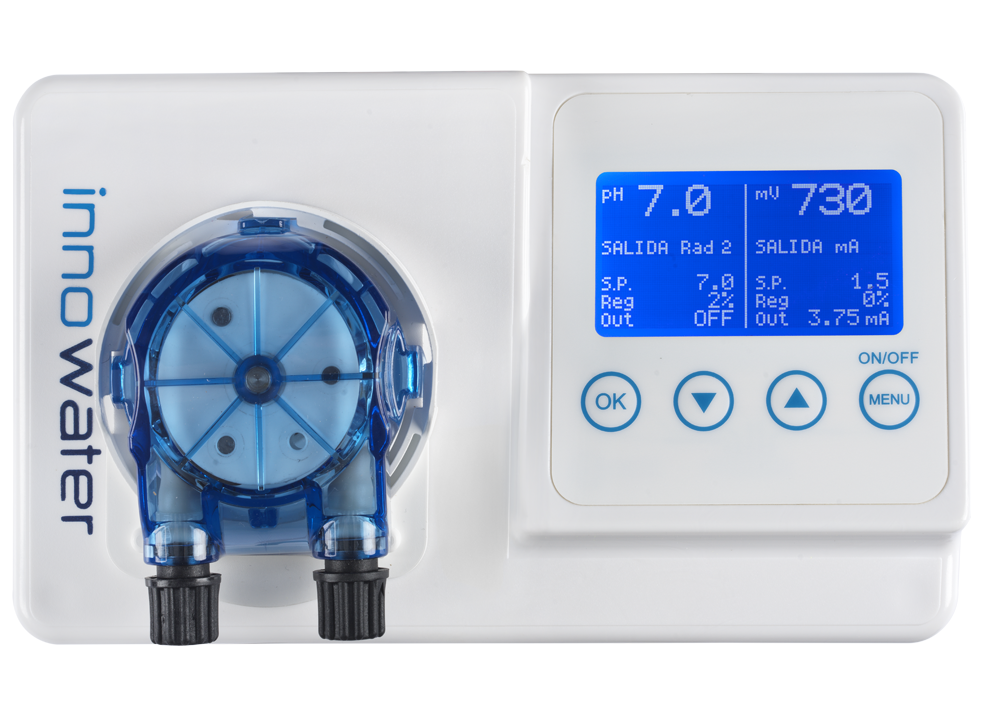
How is ORP controlled?
The most advanced treatment systems incorporate an ORP probe that continuously measures this parameter. When the Redox potential decreases, the system can automatically act to increase disinfectant production and restore the optimal level.
Combined with automatic pH control, this process allows water to be maintained in stable conditions with minimal intervention.
This is, for example, the case with our pH Redox Controller.
“Chlorine level indicates how much disinfectant there is; ORP indicates if that disinfectant is actually effective”
Advantages of automatic ORP control
Automating ORP control offers significant benefits:
- Maintains more consistent disinfection.
- Optimizes chlorine production.
- Reduces chemical consumption.
- Improves water quality.
- Decreases manual corrections.
- Increases safety for bathers.
- Facilitates daily pool maintenance.
These advantages are especially relevant in pools with a high influx of users, where disinfection needs can vary throughout the day.
ORP and salt chlorination: the most efficient combination
Salt electrolysis systems achieve their maximum performance when working alongside automatic ORP and pH control. While the salt chlorinator generates the necessary disinfectant from the salt dissolved in the water, the control system automatically adapts production based on the pool’s real needs.
The result is more efficient, stable, and sustainable water treatment.
Conclusion
ORP is one of the most important parameters to ensure effective disinfection, as it reflects the water’s real capacity to eliminate microorganisms.
For this reason, more and more pools are incorporating automatic ORP and pH control systems that allow optimizing the operation of salt electrolysis, reducing chemical consumption, and maintaining consistent water quality throughout the season.
Investing in a smart control system not only improves bather safety and comfort, but also simplifies maintenance and contributes to more efficient pool management.

Salt chlorination for pools is a treatment system that generates pure chlorine from the salt dissolved in the water, through an electrolysis process. A sustainable, automated, and safe treatment for swimming.
Related News
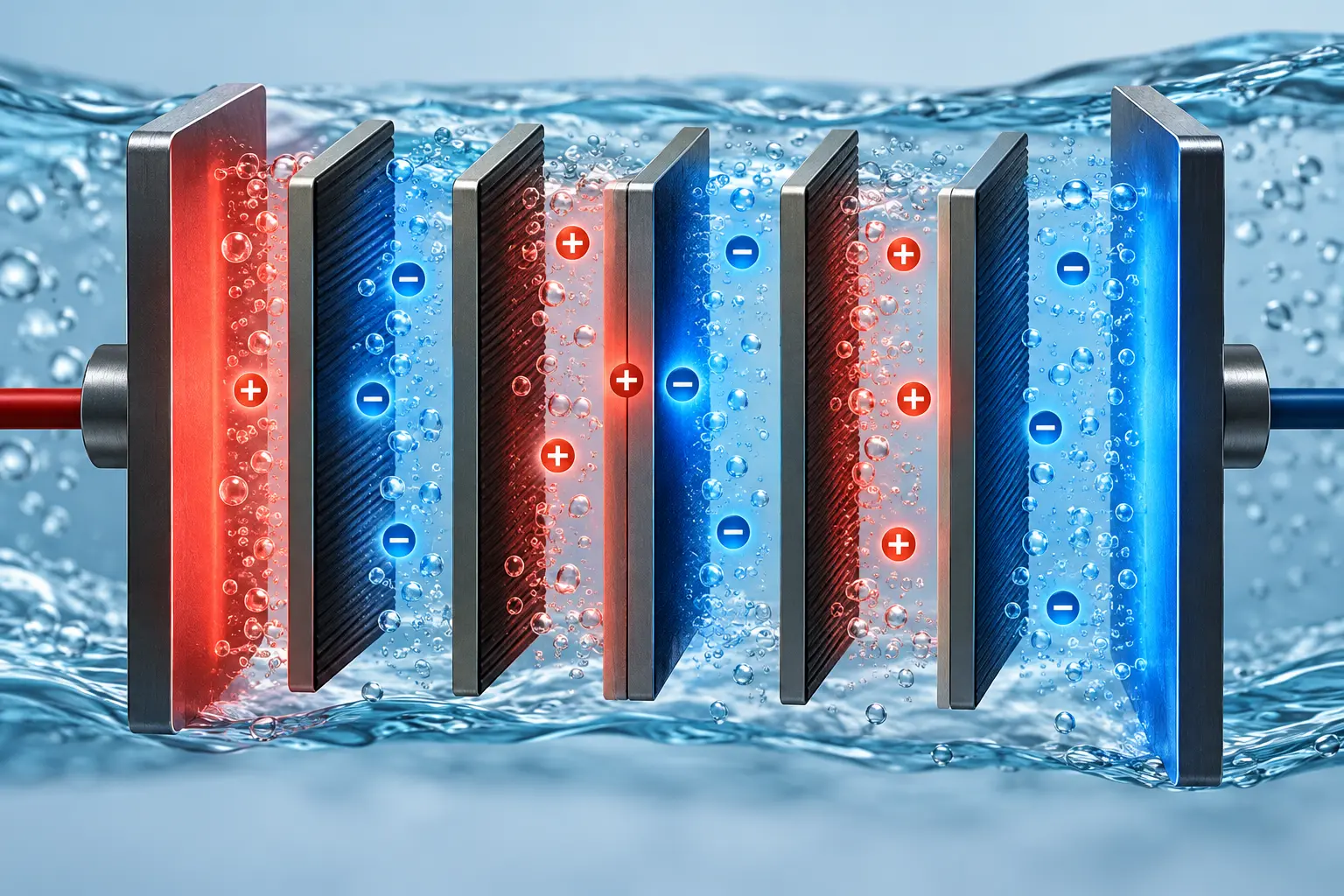
Bipolar cells, reverse polarity and programmable polarity in salt chlorination

Superchlorination or Boost Function in a Salt Chlorinator: What It Is, What It’s For, and When to Use It

Chloramines in Pools: What They Are, How They Form, and How to Eliminate Them
How to solve the 20 most frequent pool water problems
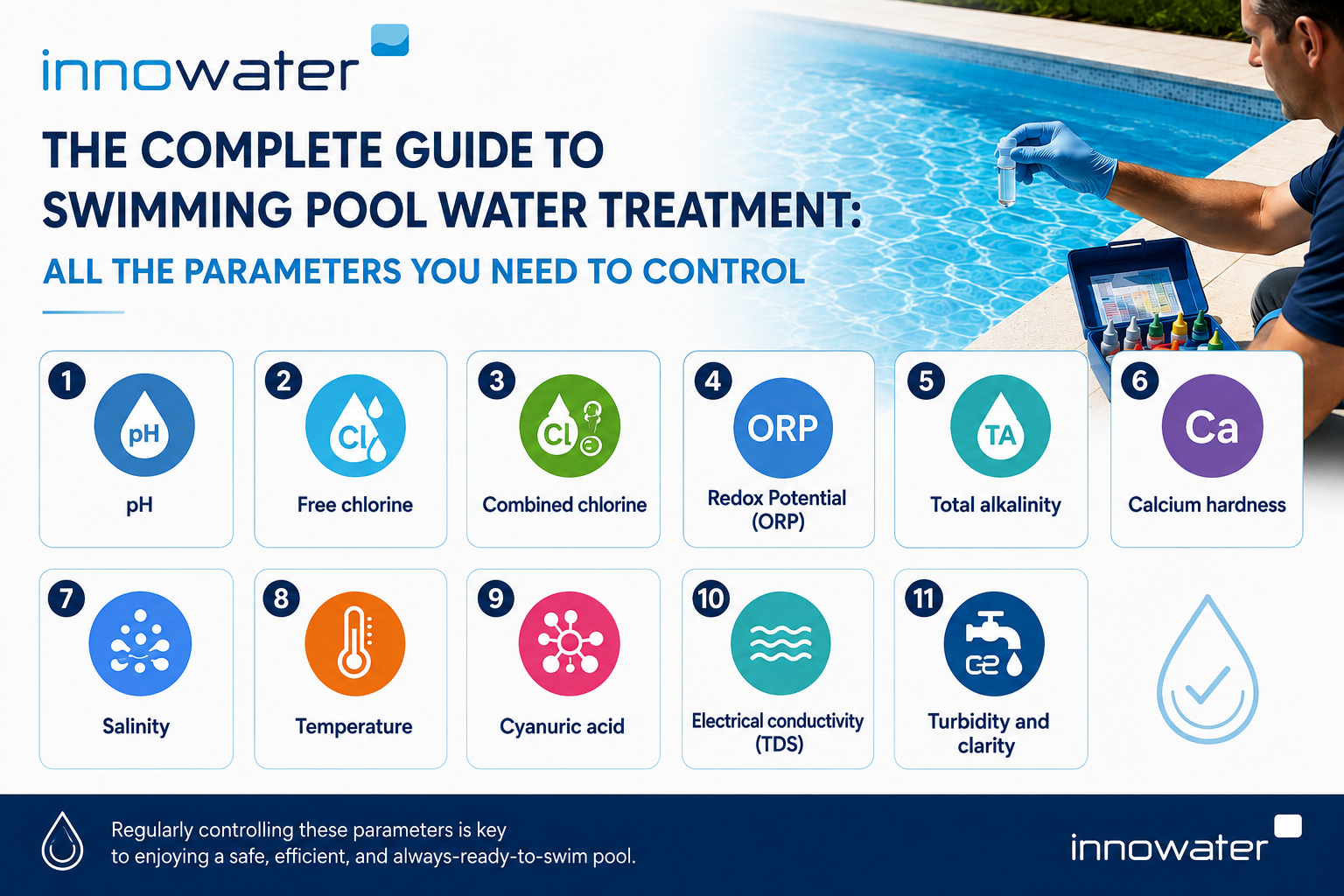
Complete guide to pool water treatment: all the parameters you need to control
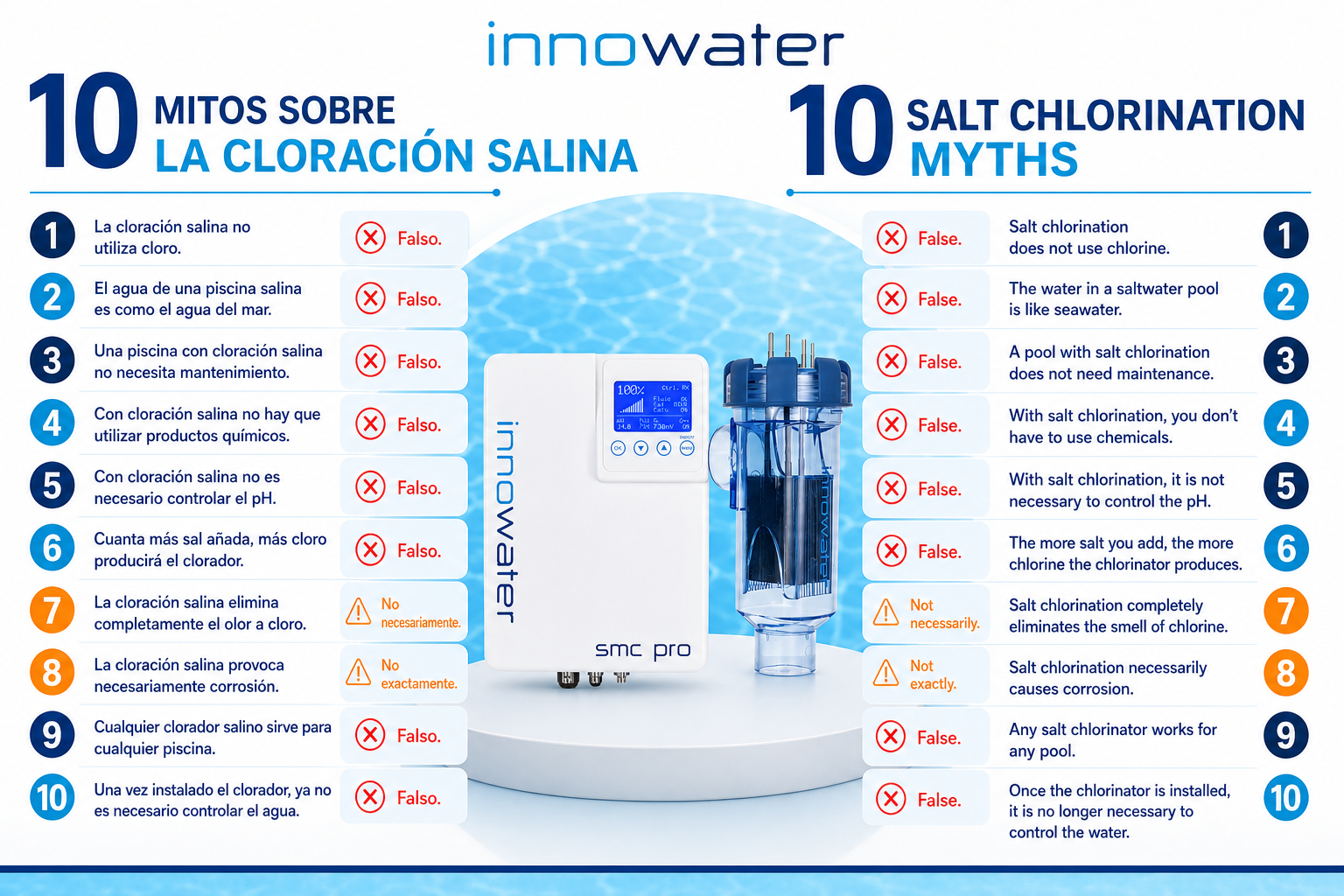
Myths about Salt Chlorination: 10 Misconceptions You Need to Know
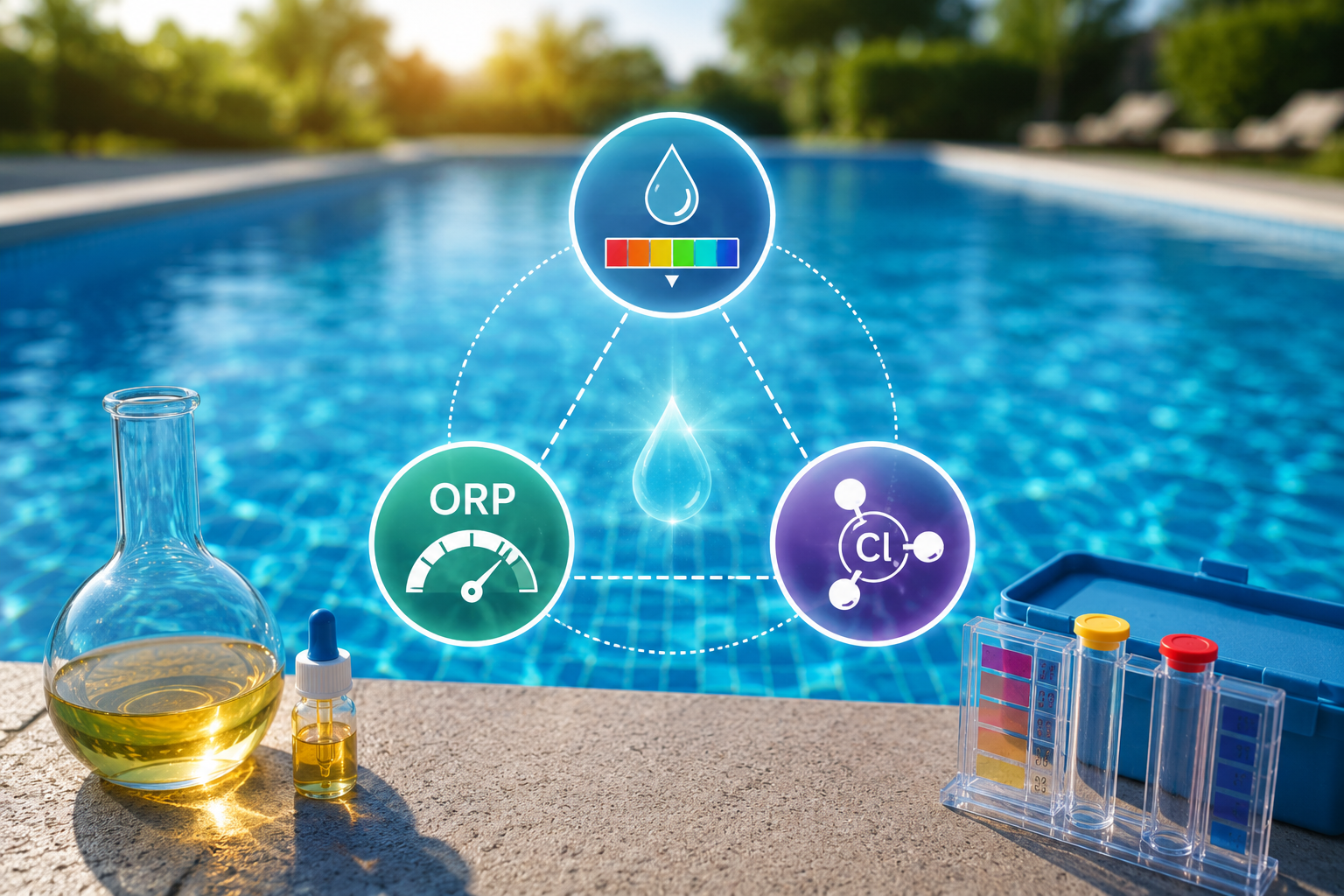
Relationship between pH, ORP, and free chlorine: The ultimate guide to achieving effective pool disinfection
How to correctly size a salt chlorinator for your pool: the ultimate guide to choosing the right equipment

Automating pool water treatment: greater efficiency, less maintenance, and consistently high water quality