How to correctly size a salt chlorinator for your pool: the ultimate guide to choosing the right equipment
Choosing a salt chlorinator solely based on the pool’s water volume is one of the most common mistakes. While the pool capacity is a key factor, there are many other elements that directly affect the real chlorine production needs.
Water temperature, solar radiation, number of bathers, or filtration time can mean that two pools with the same volume need very different equipment.
In this guide, we explain the main criteria for correctly sizing a salt electrolysis system and ensuring efficient, stable, long-lasting water treatment.
Why is it so important to choose the right salt chlorinator?
A properly sized unit works more efficiently, maintains consistent chlorine production, and extends the service life of the electrolytic cell.
On the other hand, an undersized chlorinator will need to run many more hours at 100% capacity, which can lead to:
- difficulty maintaining the disinfectant level;
- increased wear on the cell;
- higher energy consumption;
- shorter equipment lifespan;
- poorer water quality during periods of higher demand.
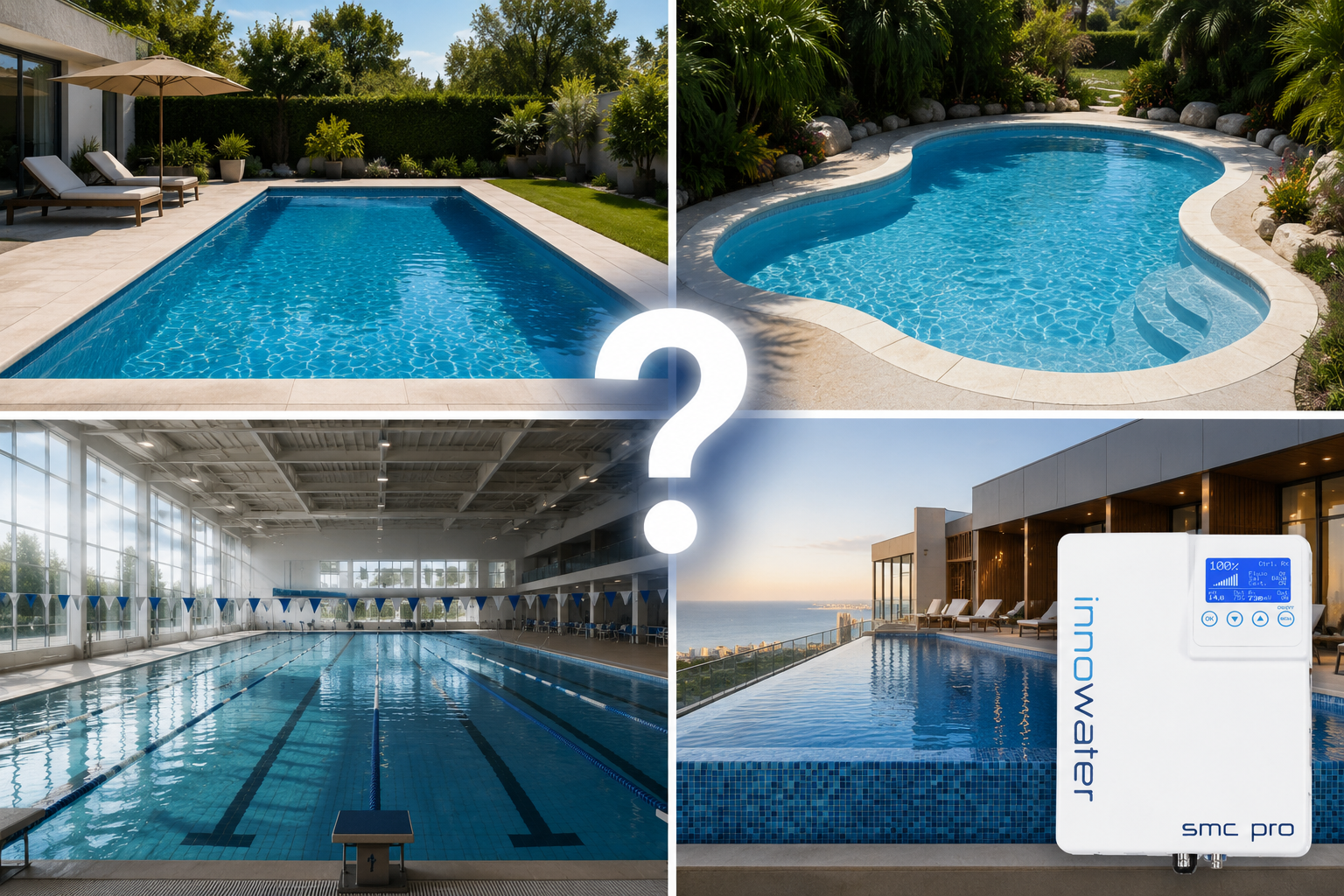
That’s why it’s so important to choose a salt chlorinator perfectly suited to your pool, whether it’s a private pool or a public pool.
1. Pool volume: the starting point
The first piece of information you need is the actual water volume. The formula is simple:
Length × width × average depth = m³
For irregularly shaped pools, it’s best to do a specific calculation to get the most accurate volume possible. This figure serves as an initial reference, but it should never be the only criterion for selecting a salt chlorinator.
2. Outdoor or indoor pools
Outdoor pools have much higher disinfection needs due to the effects of UV rays, wind, rain, and environmental contamination.
In contrast, an indoor pool usually requires lower chlorine production, as water conditions are more stable.
3. Solar radiation
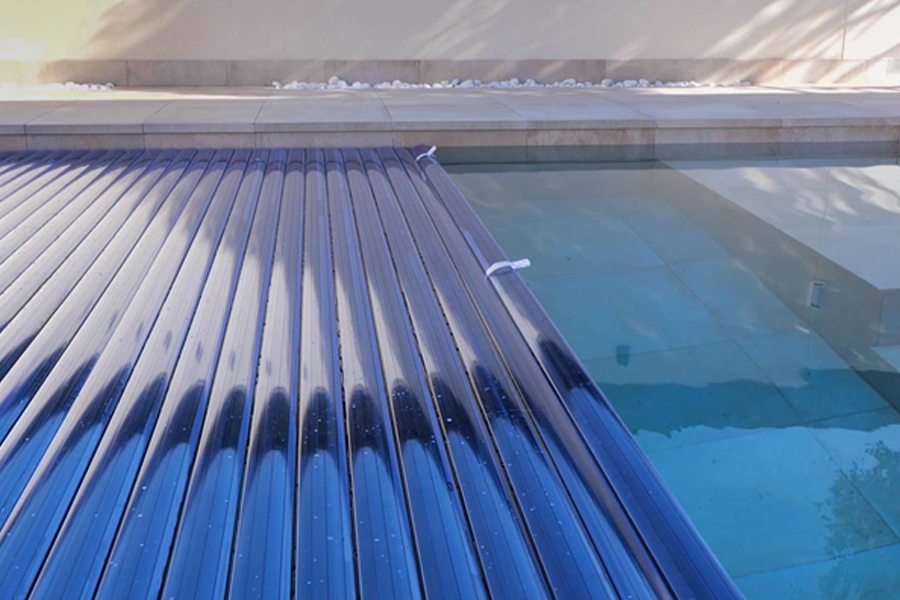
Ultraviolet radiation speeds up chlorine degradation. In areas with many hours of sunshine or high solar intensity, it’s advisable to have higher production capacity to compensate for these losses.
“An oversized salt chlorinator can regulate its output. An undersized one will never be able to produce more than its capacity allows.”
4. Water temperature
As the temperature rises:
- biological activity increases
- algae proliferate more easily
- disinfectant consumption increases
A pool located in a warmer area will need higher production than one in a cooler area.
5. Number of bathers
Each bather introduces organic matter that increases disinfectant demand. A pool used by a family of four is not the same as a community pool, a hotel, or a campsite. The higher the bather load, the greater the chlorinator capacity should be.
6. Filtration hours
Chlorine is only produced while water circulates through the electrolytic cell. If the system runs only a few hours a day, the unit will need to produce more chlorine during that time. Conversely, longer filtration allows production to be distributed more efficiently.
7. Seasonal or intensive use
Not all pools operate under the same conditions. It’s important to distinguish between:
- occasional-use pools
- family pools
- homeowners’ associations
- hotels
- sports facilities
- public pools
- …
Each type of pool has very different and variable disinfection needs.
8. Water treatment automation
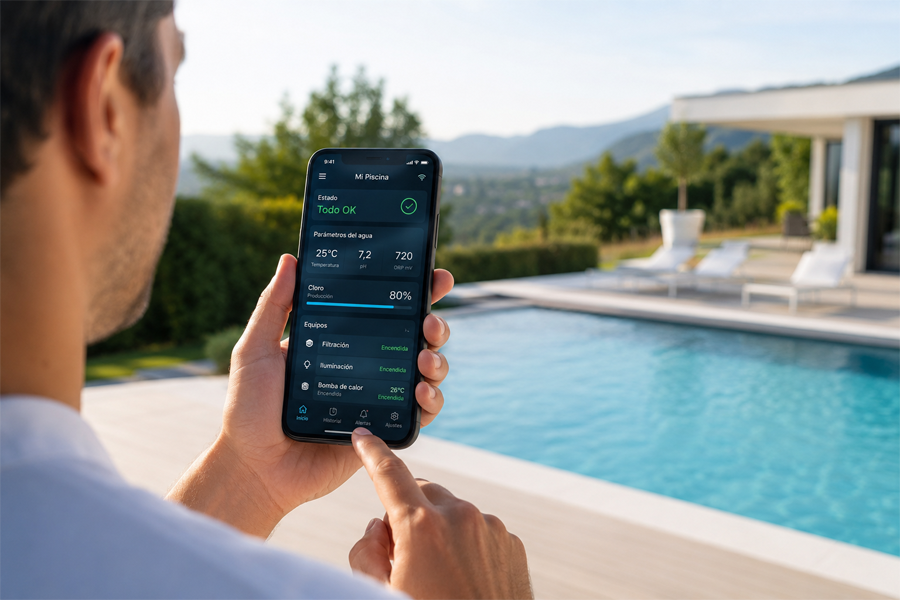
When the chlorinator works together with an automatic control system for pH and ORP, production continuously adapts to the water’s real needs. This improves system efficiency and allows you to make the most of the unit’s capacity.
Is it advisable to oversize a salt chlorinator?
In many cases, yes.
Choosing a model with slightly higher capacity than strictly necessary offers several advantages:
- The salt chlorinator works with less effort
- The cell’s service life is extended
- The unit responds better during heatwaves or periods of intensive use
- It allows for future expansions of the installation
- Treatment stability is improved
It’s not about installing an excessively large unit, but about having an operating margin that guarantees optimal performance in any situation.
Factors to analyze before choosing a salt chlorinator
Before selecting a unit, it’s worth answering the following questions:
- What is the pool’s actual volume?
- Is it an indoor or outdoor pool?
- How many hours does it filter each day?
- What climate zone is it in?
- What temperature does the water reach during summer?
- What is the usual number of bathers?
- Is it a private home or a public facility?
- Does it have automatic pH and ORP control?
- Is intensive use expected during certain periods?
The more information you have about the pool, the more accurate the sizing will be.
Most common mistakes when sizing a salt chlorinator
Some of the most common mistakes include:
- choosing the unit solely based on cubic meters
- not considering water temperature
- ignoring filtration hours
- not anticipating increased use during summer
- not automating pH control
- relying only on the maximum value indicated by the manufacturer
Conclusion
Correctly sizing a salt chlorinator goes far beyond knowing the pool volume. Factors such as climate, temperature, solar radiation, filtration time, number of users, and degree of automation directly affect the real chlorine production needs.
Choosing equipment tailored to the specific conditions of each installation ensures more efficient disinfection, a longer service life for the system, and much easier maintenance.
If you have a public-use pool, our digital calculator is ideal for finding out which salt chlorinator is best suited to its characteristics.

Salt chlorination for pools is a treatment system that generates pure chlorine from the salt dissolved in the water, through an electrolysis process. A sustainable, automated, and safe treatment for swimming.
Related News
Bipolar cells, reverse polarity and programmable polarity in salt chlorination

Superchlorination or Boost Function in a Salt Chlorinator: What It Is, What It’s For, and When to Use It

Chloramines in Pools: What They Are, How They Form, and How to Eliminate Them
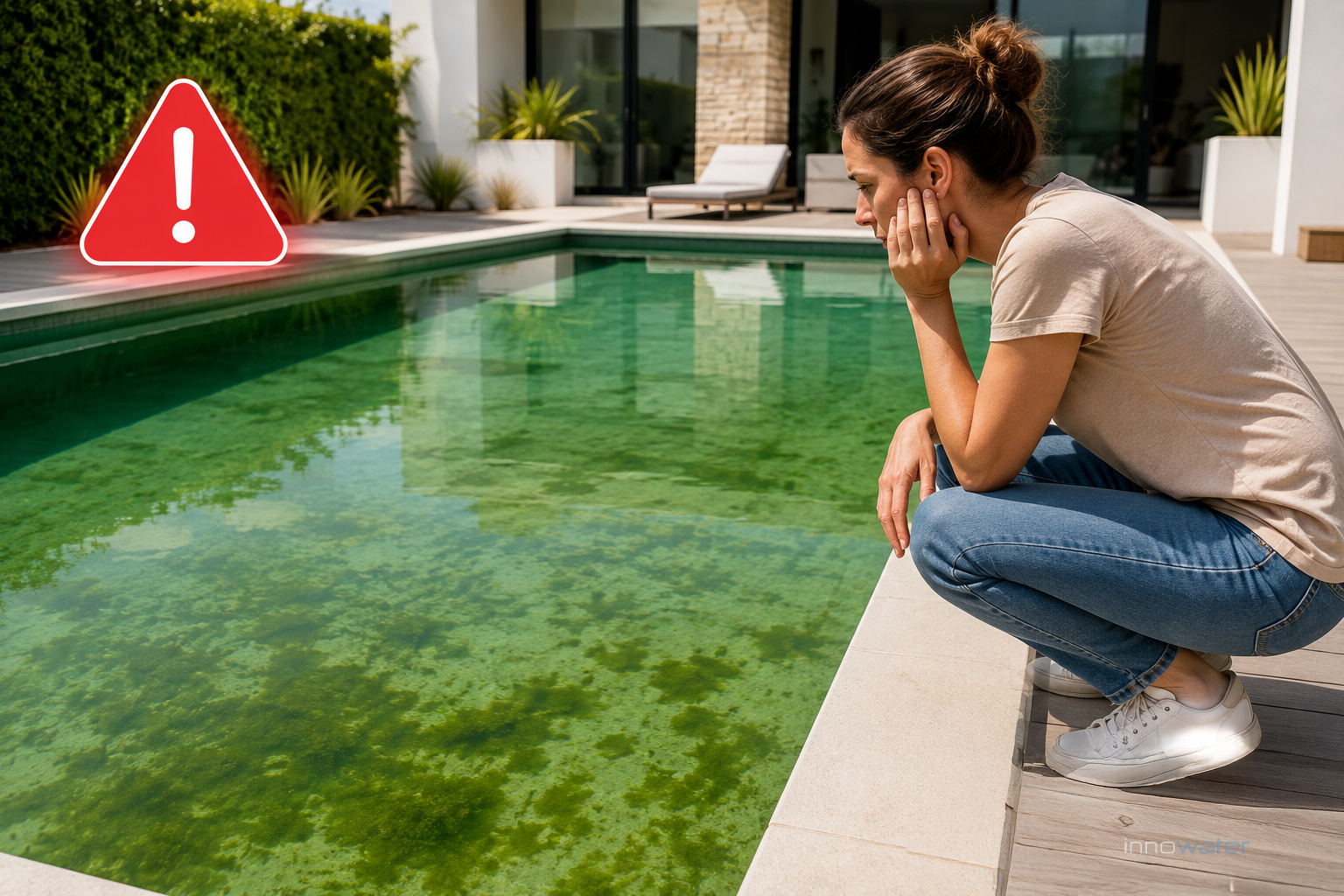
How to solve the 20 most frequent pool water problems
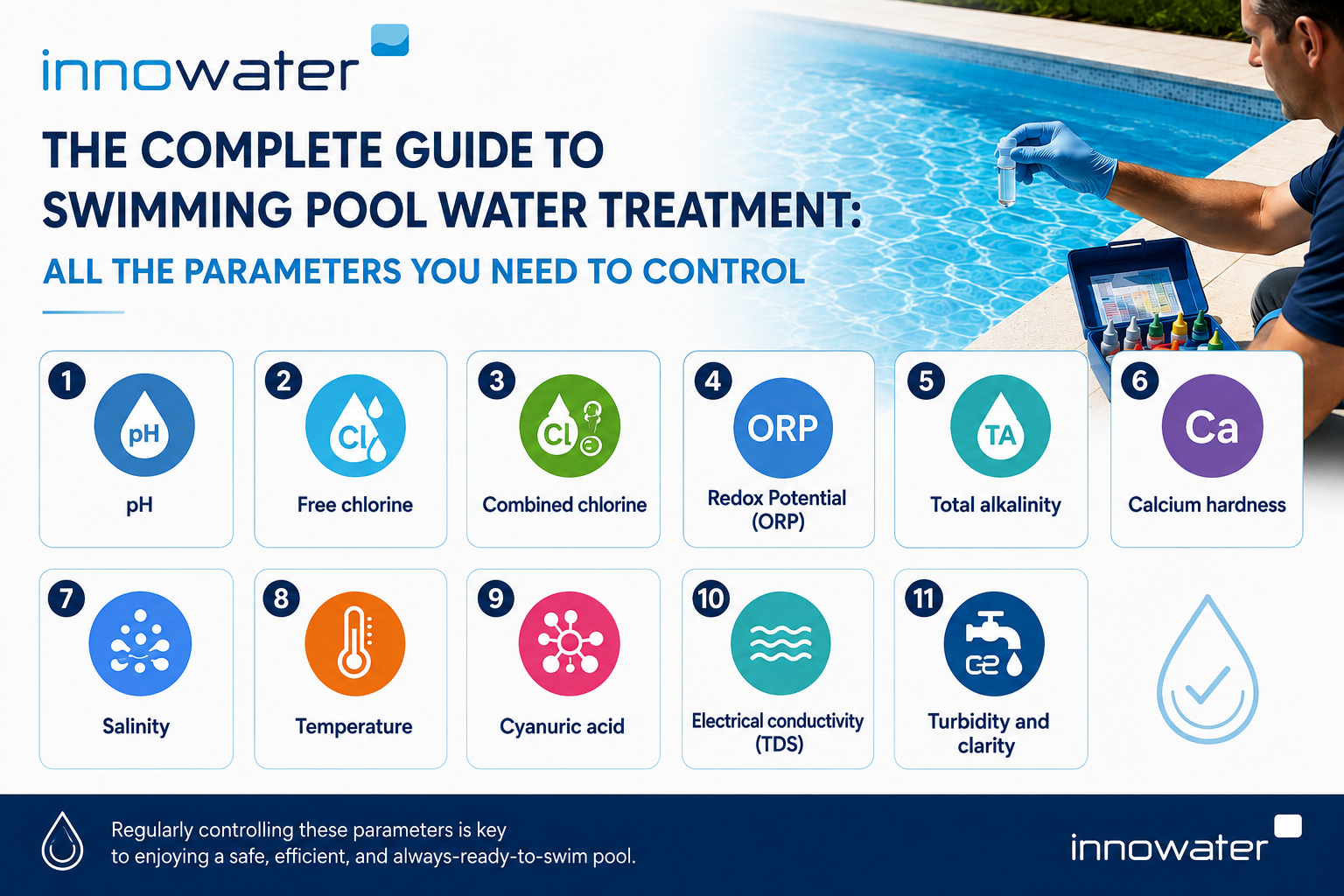
Complete guide to pool water treatment: all the parameters you need to control
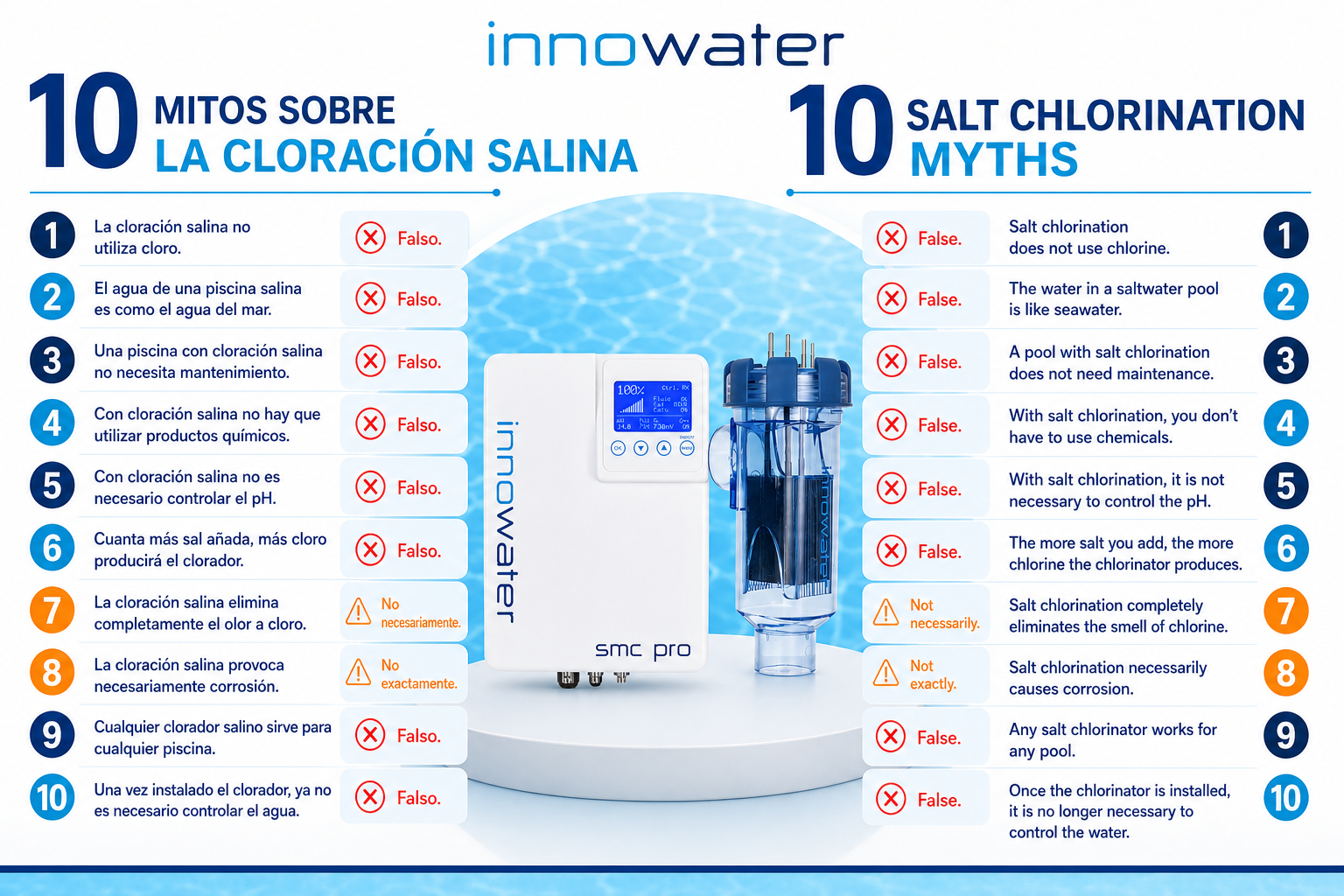
Myths about Salt Chlorination: 10 Misconceptions You Need to Know
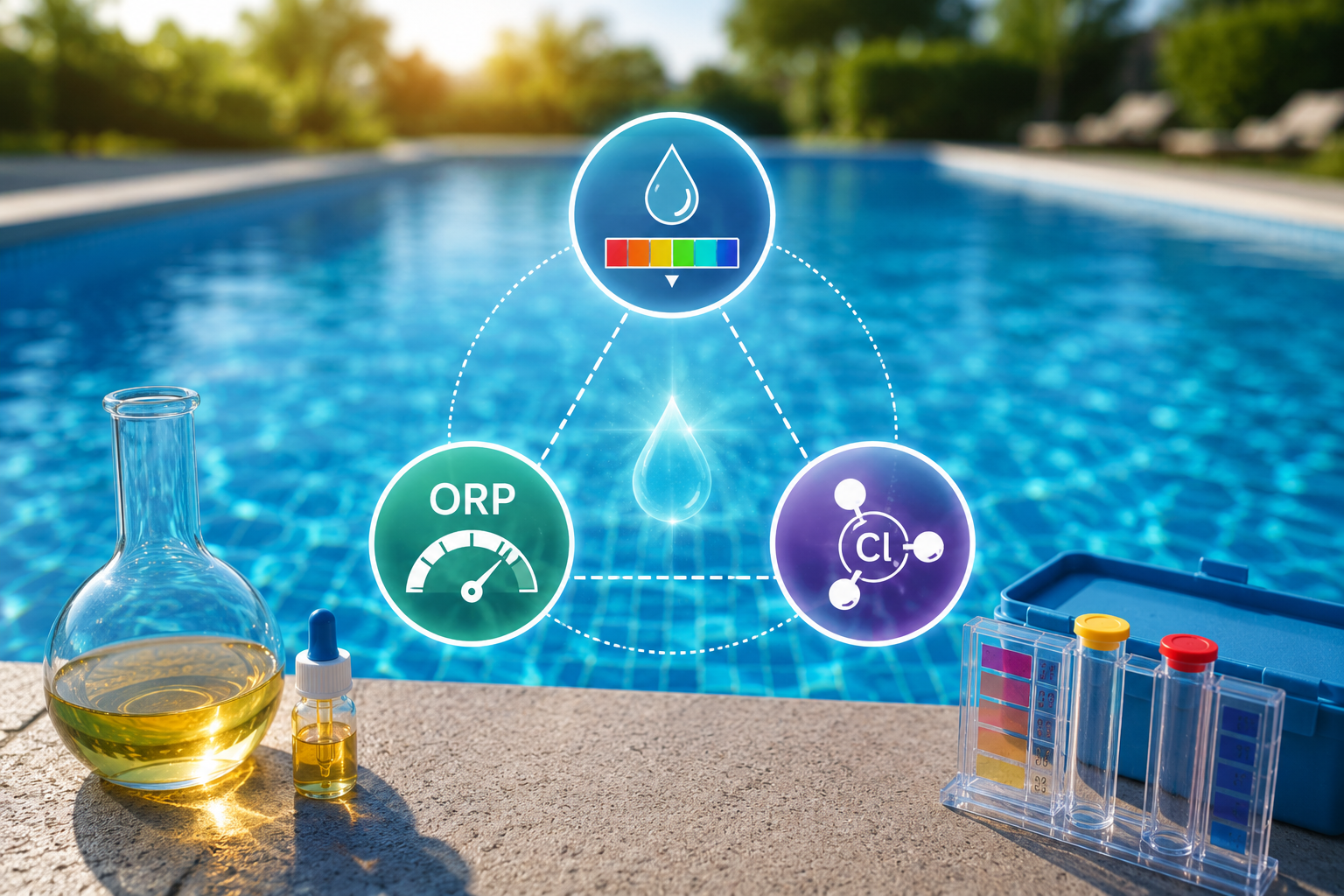
Relationship between pH, ORP, and free chlorine: The ultimate guide to achieving effective pool disinfection

What is ORP and why is it the most important parameter to ensure effective disinfection in a swimming pool?
Automating pool water treatment: greater efficiency, less maintenance, and consistently high water quality