Common Salt Chlorinator Installation Mistakes: 12 Errors to Avoid
Installing a salt chlorinator is one of the best investments you can make to improve water quality, reduce pool maintenance, and enjoy a more efficient, automated disinfection system.
However, even the best salt chlorination system will only perform at its full potential if it is installed correctly. Failing to follow key technical recommendations can reduce chlorine production, shorten the lifespan of the equipment, and compromise water quality.
In this guide, we explain the most common salt chlorinator installation mistakes and how to avoid them.
1. Installing the Electrolysis Cell in the Wrong Location
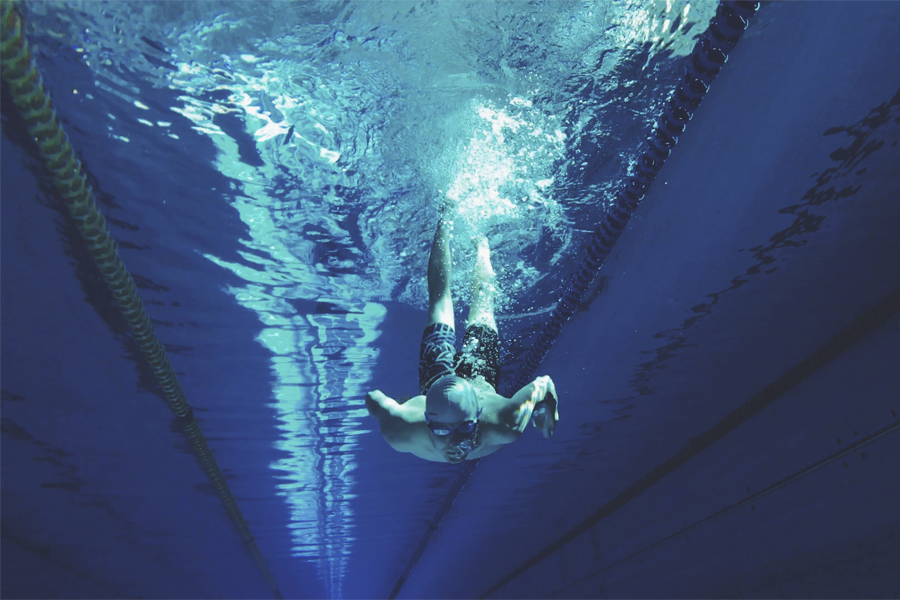
One of the most common installation mistakes is positioning the electrolysis cell incorrectly within the pool’s hydraulic circuit.
As a general rule, the cell should always be installed after the filtration system to prevent suspended particles from affecting its performance.
If your pool is equipped with an automatic pH controller or chemical dosing system, it is equally important to follow the installation sequence recommended by the manufacturer. This prevents high concentrations of chemicals from passing directly through the cell, which can significantly reduce its service life.
Correct placement is essential for maximizing both efficiency and durability.
2. Ignoring the Water Flow Direction
Most electrolysis cells feature an arrow indicating the correct direction of water flow.
Installing the cell in the opposite direction can result in:
- Poor chlorine production.
- Flow alarms.
- Unstable operation.
- Premature wear of the cell.
Although it may seem like a minor detail, incorrect flow direction remains one of the most frequent installation errors.
3. Choosing an Undersized Salt Chlorinator
Selecting the right salt chlorinator capacity is critical.
An undersized unit will operate at maximum output almost continuously, accelerating cell wear while making it difficult to maintain the correct free chlorine levels.
When choosing the appropriate model, consider factors such as:
- Pool volume.
- Water temperature.
- Daily filtration time.
- Sun exposure.
- Pool usage.
- Indoor or outdoor installation.
For commercial pools or facilities with heavy bather loads, sizing calculations should always be performed by experienced professionals.

4. Failing to Check the Salt Concentration
Before starting the system, always verify that the salt concentration matches the manufacturer’s recommended range.
If the salt level is too low, the chlorinator may be unable to generate sufficient chlorine.
Excessively high salt levels can also trigger system warnings and accelerate wear on certain components.
Always measure salinity using a reliable testing device rather than relying on estimates.
“The best salt chlorinator can only deliver maximum performance when it is correctly sized, professionally installed, and properly configured for the specific requirements of each swimming pool”
5. Neglecting Water Chemistry Balance
A salt chlorinator does not automatically correct every aspect of your pool’s water chemistry. If pH, total alkalinity, or calcium hardness fall outside the recommended ranges, the effectiveness of chlorine disinfection will decrease significantly.
Among all water parameters, pH control is the most critical. When pH is too high, a large proportion of the chlorine generated by the salt chlorination system loses its sanitizing power.
For this reason, many modern saltwater chlorination systems include automatic pH control to maximize chlorine efficiency, improve water quality, and reduce chemical consumption.
6. Not Leaving Enough Space for Maintenance
The electrolysis cell requires regular inspections and, depending on water conditions, occasional cleaning.
Installing the equipment in an overly confined space can make routine maintenance unnecessarily difficult and increase servicing time.
When designing the plant room, always leave sufficient clearance around the cell so it can be removed easily without modifying the pipework.
Proper accessibility helps simplify maintenance and extends the lifespan of the equipment.

7. Failing to Ensure Adequate Water Flow
A salt chlorination system requires a minimum water flow rate to operate correctly.
If the circulation pump delivers insufficient flow or if hydraulic issues occur, the chlorinator may automatically stop chlorine production to protect the electrolysis cell.
Before troubleshooting the chlorinator, always check:
- Filter condition.
- All valves are fully open.
- There are no blockages in the hydraulic circuit.
- The circulation pump is operating correctly.
Maintaining the correct flow rate is essential for consistent chlorine production and reliable system performance.
8. Incorrect Installation of pH and ORP Sensors
For pools equipped with automatic control water treatment systems, the location of the pH and ORP probes is just as important as the position of the electrolysis cell itself.
Incorrect installation may lead to inaccurate readings, unnecessary chemical dosing, and unstable water chemistry.
To ensure reliable measurements, sensors should always be installed according to the manufacturer’s instructions while maintaining the recommended minimum distance from chemical injection points.
9. Failing to Properly Protect the Electrical Installation
Like any electronic device, a salt chlorinator requires a stable and properly protected power supply.
A professional installation should include:
- Residual Current Device (RCD/GFCI) protection.
- A correctly rated circuit breaker.
- Proper grounding (earthing).
- Surge protection where required.
- An inadequate electrical installation can lead to avoidable equipment failures, costly repairs, and reduced system reliability.
10. Incorrectly Setting the Initial Chlorine Output
After installation, many pool owners leave the chlorinator operating at 100% output without making any adjustments.
In reality, chlorine production should always be adapted to the specific operating conditions of the pool, including:
- Time of year.
- Water temperature.
- Daily filtration time.
- Number of bathers.
- Solar exposure.
Correctly adjusting chlorine production improves water quality, reduces energy consumption, and significantly extends the lifespan of the electrolysis cell.
11. Not Automating pH Control
Although not strictly an installation error, failing to automate pH regulation is a missed opportunity to maximize the performance of a salt chlorination system.
The efficiency of saltwater electrolysis depends directly on maintaining the correct pH level.
Automatic pH control offers several important benefits:
- Improved chlorine effectiveness.
- Lower chemical consumption.
- Fewer manual adjustments.
- More stable and consistent water quality.
For commercial pools and facilities with heavy bather loads, automatic pH control has become an essential part of efficient pool water treatment.
12. Ignoring the Manufacturer’s Installation Guidelines
Every salt chlorinator has its own installation requirements and operating specifications.
Applying generic installation methods or making unauthorized modifications can compromise both performance and reliability.
For optimal operation, always follow the manufacturer’s installation, commissioning, and maintenance instructions.
A Professional Installation Is the Foundation of an Efficient Salt Chlorination System
Most issues associated with salt chlorinators are not caused by the technology itself, but by installation, configuration, or maintenance errors.
When the system is correctly sized, professionally installed, and combined with effective pH regulation and balanced water chemistry, saltwater chlorination provides reliable, efficient disinfection with minimal maintenance.
Investing in professional installation not only delivers better performance from day one but also extends equipment lifespan, reduces operating costs, and ensures consistently high water quality for years to come.

Salt chlorination for pools is a treatment system that generates pure chlorine from the salt dissolved in the water, through an electrolysis process. A sustainable, automated, and safe treatment for swimming.
Related News
Bipolar cells, reverse polarity and programmable polarity in salt chlorination
Superchlorination or Boost Function in a Salt Chlorinator: What It Is, What It’s For, and When to Use It

Chloramines in Pools: What They Are, How They Form, and How to Eliminate Them
How to solve the 20 most frequent pool water problems
Complete guide to pool water treatment: all the parameters you need to control
Myths about Salt Chlorination: 10 Misconceptions You Need to Know
Relationship between pH, ORP, and free chlorine: The ultimate guide to achieving effective pool disinfection
How to correctly size a salt chlorinator for your pool: the ultimate guide to choosing the right equipment

What is ORP and why is it the most important parameter to ensure effective disinfection in a swimming pool?