Differences between a pool treated with traditional chlorine or salt chlorination
The differences between a pool with traditional chlorine and one with salt chlorination are not in the final result (both use chlorine for disinfection), but in how that chlorine is generated and managed, which directly impacts the swimming experience, maintenance, and water quality.
1. Operation Method
Traditional Chlorine
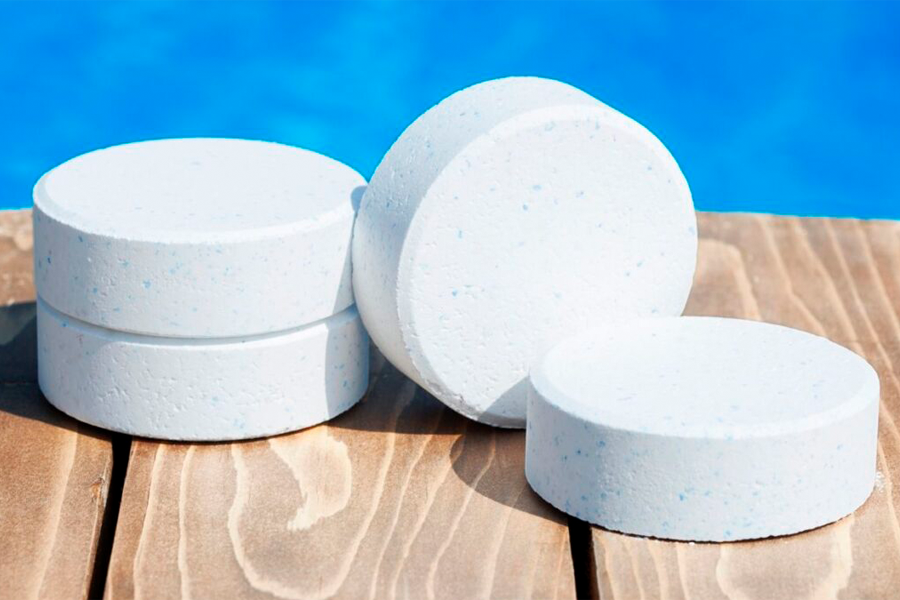
- Chemical chlorine (liquid, tablets, or granular) is added manually or via dispensers.
- Requires frequent monitoring to adjust levels.
Salt Chlorination
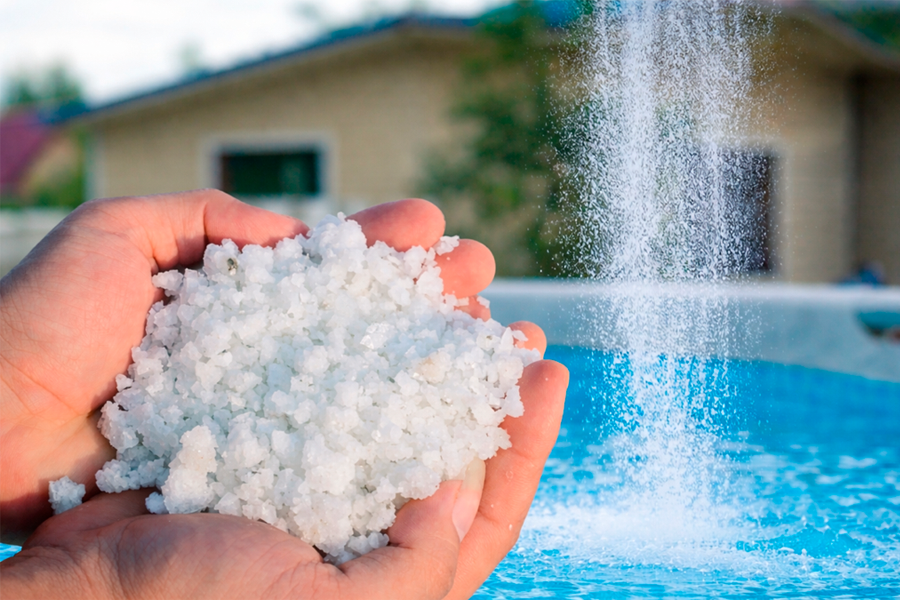
- Chlorine is automatically generated from dissolved salt through electrolysis.
- The system continuously regulates production.
Key difference: Manual vs. automatic system.
2. Water Quality
Traditional Chlorine
- Can generate a strong odor and chloramines if not well-balanced.
- Higher likelihood of eye and skin irritation.
Salt Chlorination
- Water is softer, clearer, and more pleasant.
- Lower presence of chloramines → less odor and irritation.
Key difference: More “natural” and comfortable water in the salt option.
3. Use of Chemicals
Traditional Chlorine
- Constant need to purchase and handle chemical products.
Salt Chlorination
- Less reliance on external chemical products.
- Chlorine is generated on-site.
Key difference: More chemicals vs. more automation.
4. Maintenance
Traditional Chlorine
- Frequent chlorine and pH control
- Manual addition of products
- Higher risk of human error
Salt Chlorination
- More stable and automated system
- Requires checking the cell and salt level
- Fewer manual interventions
Key difference: More manual work vs. simplified maintenance.
“Salt chlorination has become the preferred choice in modern pools due to its balance of convenience, water quality, and sustainability.”
5. Cost
Traditional Chlorine
- Lower initial investment
- Ongoing cost of chemical products
Salt Chlorination
- Higher initial investment (electrolysis equipment)
- Lower operating costs in the medium/long term
Key difference: Cheap initially vs. more cost-effective long-term.
6. Sustainability
Traditional Chlorine
- Greater use of packaging and chemical transport
Salt Chlorination
- Lower environmental impact
- Less chemical waste
Key difference: More impact vs. more sustainable solution.
7. Aspects to Consider
Traditional Chlorine
- Simpler for small or temporary installations
Salt Chlorination
- Requires compatible materials (to prevent corrosion)
- Cell maintenance (cleaning and replacement)
Conclusion
Both systems are effective for disinfecting pool water, but:
- Traditional chlorine → cheaper initially, but more manual and less comfortable
- Salt chlorination → more automated, healthier, and with a better swimming experience
In practice, salt chlorination has become the preferred option in modern pools due to its balance of convenience, water quality, and sustainability.
Are you convinced by the differences between traditional chlorine and salt chlorination? Do you want to switch your pool to salt chlorination?
Contact us and discover all that salt chlorination can do for you and your pool.

Salt chlorination for pools is a treatment system that generates pure chlorine from the salt dissolved in the water, through an electrolysis process. A sustainable, automated, and safe treatment for swimming.
Related News
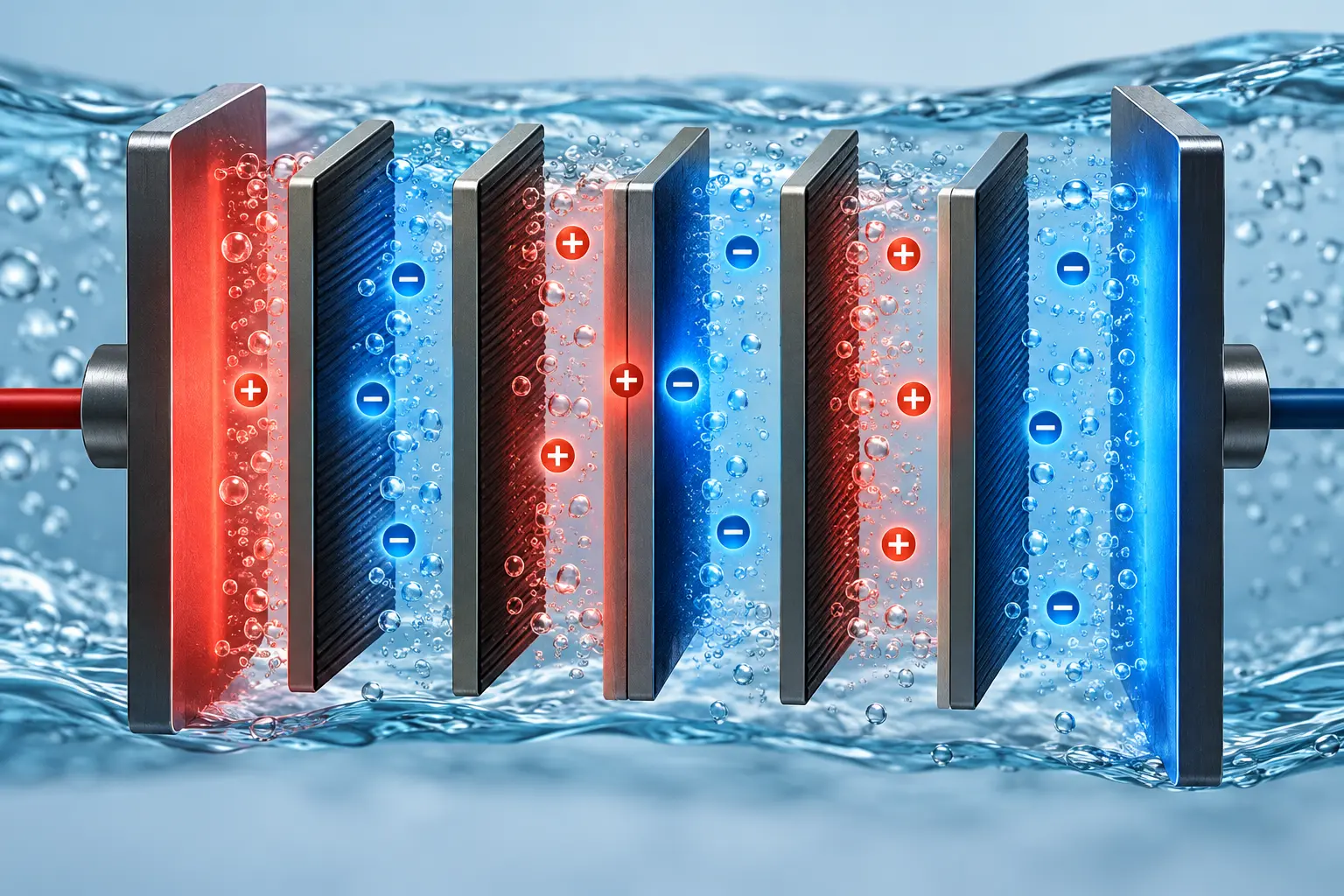
Bipolar cells, reverse polarity and programmable polarity in salt chlorination
Superchlorination or Boost Function in a Salt Chlorinator: What It Is, What It’s For, and When to Use It

Chloramines in Pools: What They Are, How They Form, and How to Eliminate Them
How to solve the 20 most frequent pool water problems
Complete guide to pool water treatment: all the parameters you need to control
Myths about Salt Chlorination: 10 Misconceptions You Need to Know
Relationship between pH, ORP, and free chlorine: The ultimate guide to achieving effective pool disinfection
How to correctly size a salt chlorinator for your pool: the ultimate guide to choosing the right equipment

What is ORP and why is it the most important parameter to ensure effective disinfection in a swimming pool?