How and When to Add Salt to Your Salt Chlorination Pool
Salt chlorination is one of the most effective methods for treating pool water. This system reduces the maintenance the user must perform for pool disinfection. All they’ll need to do is add salt to the water and ensure the concentration is adequate. But how and when should you add salt to the pool?

The Main Advantage of Salt Electrolysis
It provides an environmentally friendly method that does not affect bathers’ health, as it eliminates the need to add chemical products for water disinfection. Once the salt chlorination system is installed, you won’t need to buy commercial chlorine again, as it will be generated directly in the water naturally.
One of the questions some pool owners have when considering installing a salt chlorination system is when to add salt to the water. The first thing to do when setting up the salt chlorinator is to add this compound; about 5 to 6 grams per liter. Once the salt dissolves in the water, you can start the chlorinator.
And now what—do I need to constantly add salt or don’t I need to add more? Neither one nor the other. As we’ve mentioned, you must add salt initially when starting up the chlorinator, but also afterward, since throughout the swimming season the salt concentration gradually decreases due to multiple factors: evaporation, filter backwashing, water refilling, etc. Therefore, it’s necessary to periodically check the salt level in the pool water and ensure the levels are optimal.
Control and Regulation Systems
To ensure your pool is in proper condition at all times, at Innowater we recommend using our control and regulation systems. If you need more information or would like a quote for any of our products, you can contact us.

Salt chlorination for pools is a treatment system that generates pure chlorine from the salt dissolved in the water, through an electrolysis process. A sustainable, automated, and safe treatment for swimming.
Related News
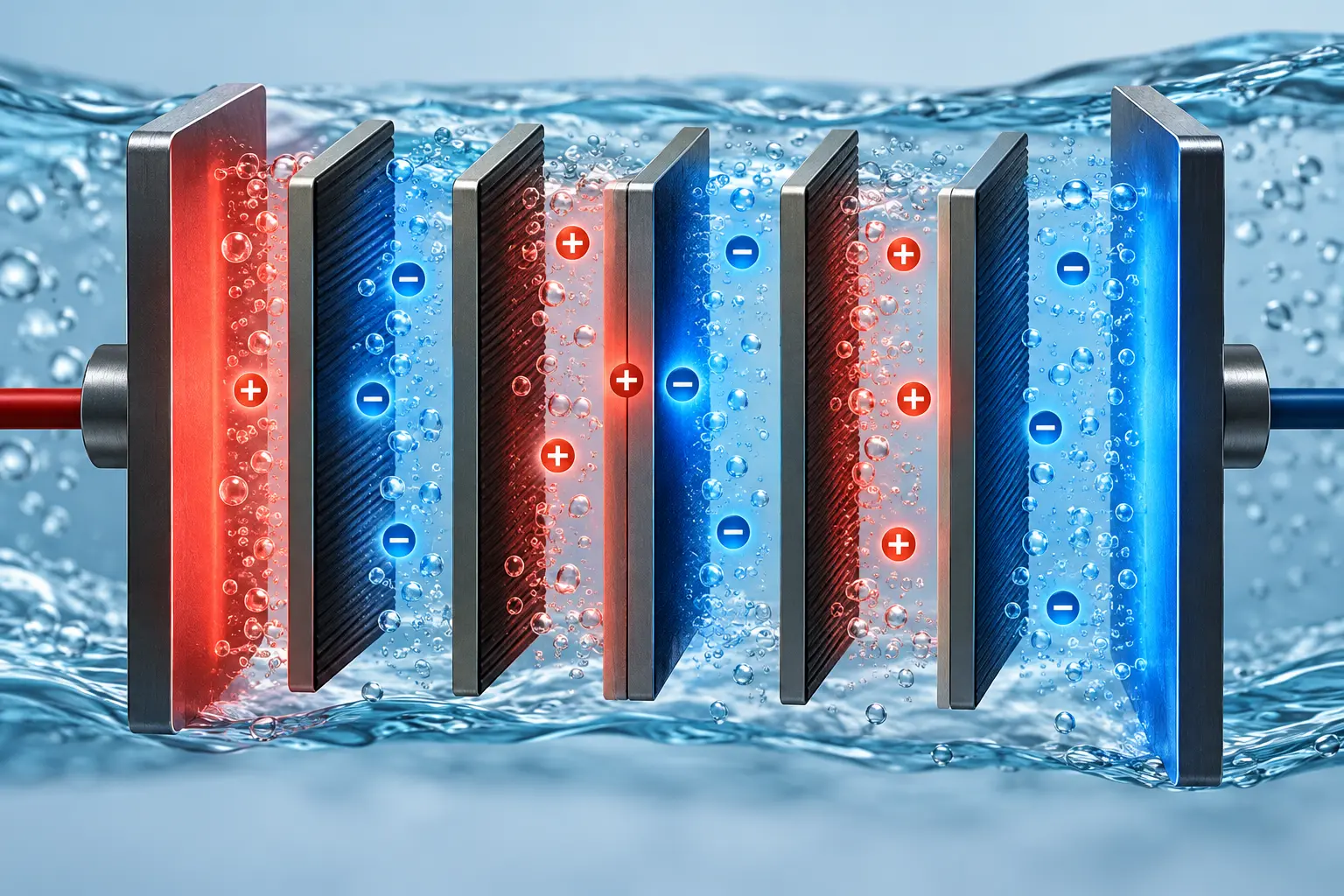
Bipolar cells, reverse polarity and programmable polarity in salt chlorination
Superchlorination or Boost Function in a Salt Chlorinator: What It Is, What It’s For, and When to Use It

Chloramines in Pools: What They Are, How They Form, and How to Eliminate Them
How to solve the 20 most frequent pool water problems
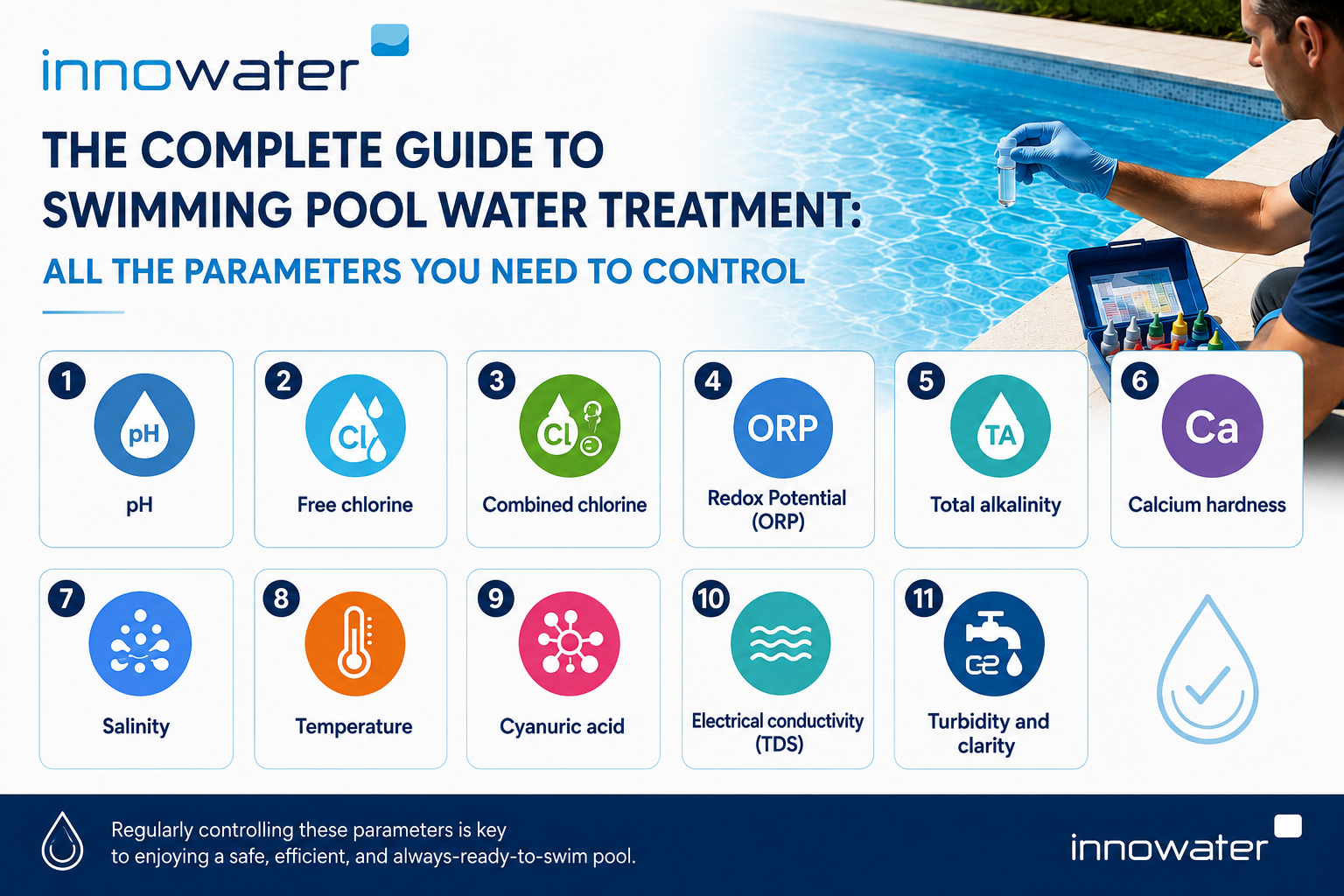
Complete guide to pool water treatment: all the parameters you need to control
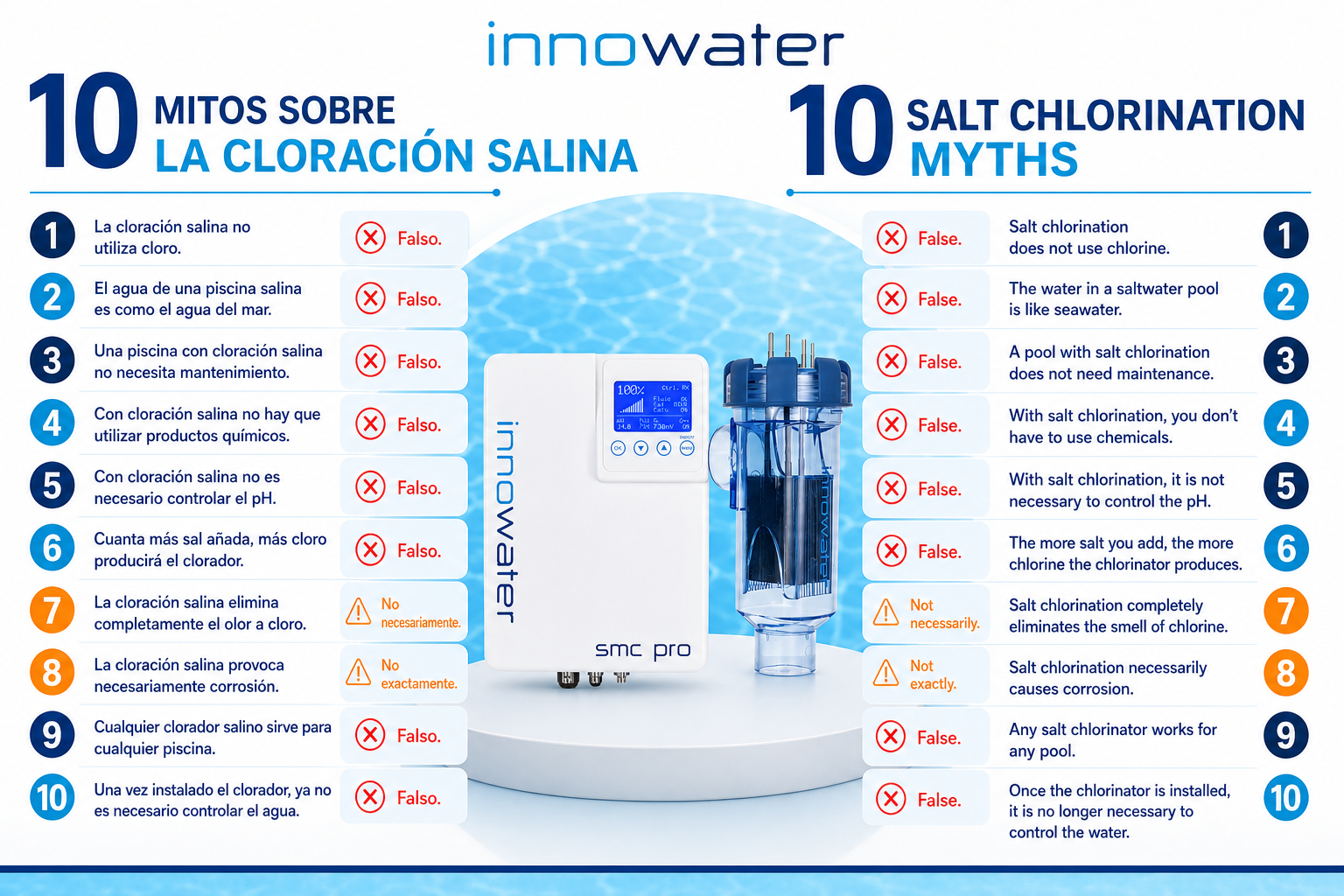
Myths about Salt Chlorination: 10 Misconceptions You Need to Know
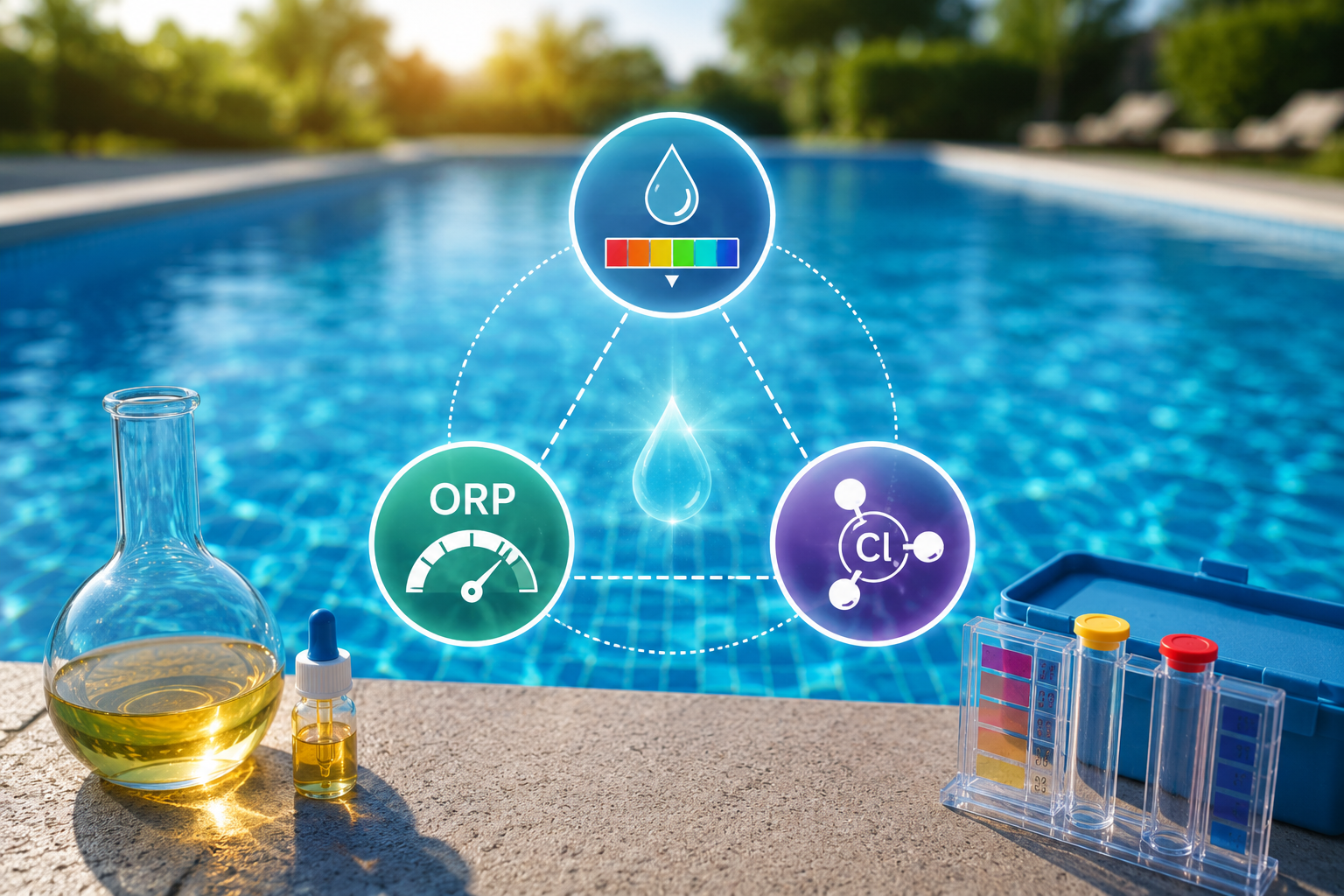
Relationship between pH, ORP, and free chlorine: The ultimate guide to achieving effective pool disinfection
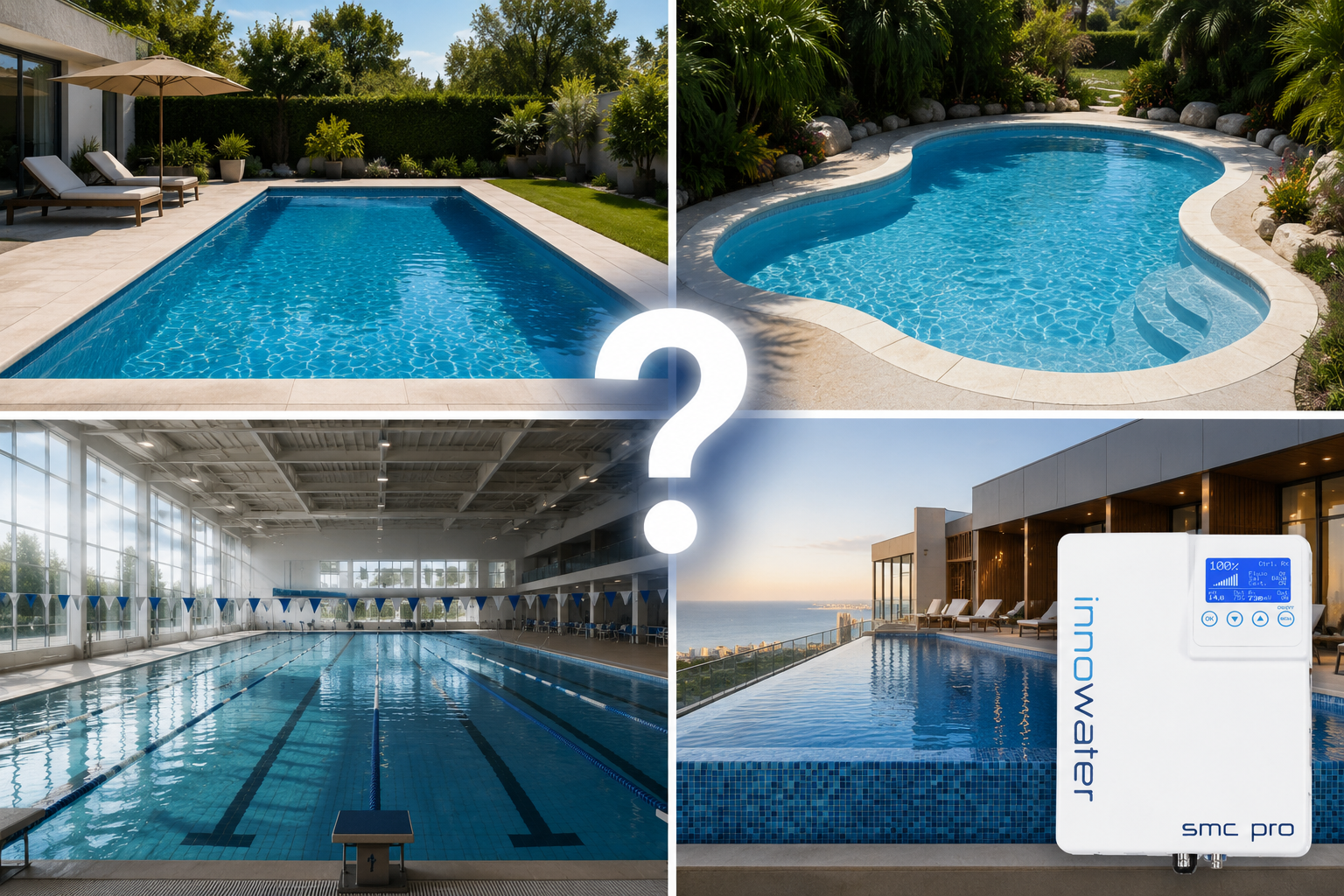
How to correctly size a salt chlorinator for your pool: the ultimate guide to choosing the right equipment

What is ORP and why is it the most important parameter to ensure effective disinfection in a swimming pool?