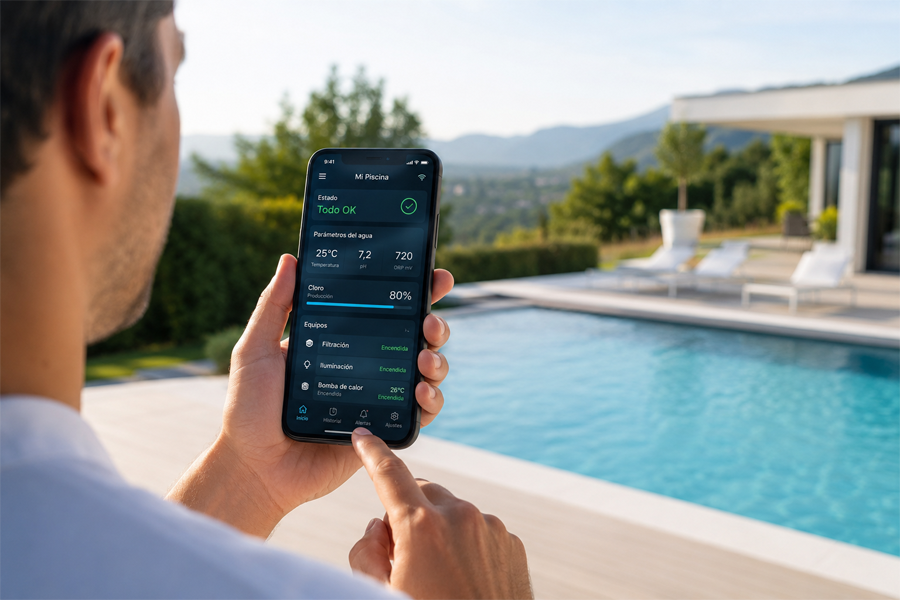
How to maintain a salt chlorination pool in winter?
During winter, many owners wonder how to maintain a salt chlorination pool so that it is in perfect condition when good weather returns. Performing proper pool winterization is essential to protect the equipment, preserve water quality, and prevent problems when spring arrives.
If your pool uses salt chlorination, there are a number of specific considerations you should keep in mind during the colder months.

What is salt chlorination and how does it work?
Salt electrolysis is one of the most effective and popular systems for pool water treatment. In this method, a small amount of salt is added to the water, which, through an electrolytic process, is transformed into natural chlorine.
This chlorine is responsible for eliminating:
- Bacteria
- Fungi
- Algae
Its main advantages include:
- Less use of chemicals
- Softer water for skin and eyes
- Lower long-term maintenance cost
- Convenient and automated system
The importance of winterization in salt chlorination pools
When winter arrives and temperatures begin to drop, a common alternative is to winterize the pool, especially if it is located in areas where temperatures can drop considerably.
The goal of winterization is to:
- Protect the equipment from low temperatures
- Keep the water in good condition for months
- Prevent deterioration of the salt chlorination system
Even if the pool is not in use, the water remains active and can accumulate contaminants if not properly controlled.
How does cold affect salt chlorination?
When the water temperature drops below 15°C, the salt chlorination system may reduce its effectiveness. This is completely normal, as electrolysis works better at higher temperatures.
Furthermore:
- Cold water can promote dirt accumulation
- Some components of the system may suffer if not protected
- The water should not be left uncontrolled
Therefore, even in winter, water treatment should not be neglected.
Basic maintenance of a salt chlorination pool in winter
To preserve the water during winter, simply follow a few simple guidelines:
Filtration
- Filter the water for 1 hour a day, or
- Perform about 7 hours of filtration on one day a week
This helps keep the water clean without the need for additional chemicals. Additionally, it helps keep the entire filtration system temporarily operational, preventing potential problems when restarting the system.
pH control
The water’s pH should be maintained between 7.2 and 7.6 throughout the winter. A balanced pH:
- Protects the salt chlorination system
- Prevents scaling or corrosion
- Keeps the water in better condition
System review
It is advisable to periodically check:
- The condition of the salt chlorinator
- The salt level in the water
- The proper functioning of the filter pump
Should I stop treating pool water in winter?
No. Even if the pool is not used, the water must continue to be monitored. Minimum maintenance during winter prevents:
- Green or cloudy water in spring
- Costly tune-ups
- Damage to the equipment
If we opt for total winterization, it will help us enjoy the pool all year round, with less effort and lower cost.
Keep your pool ready all year round
Caring for a pool with salt electrolysis in winter is simple if you follow the right guidelines. A little maintenance during the cold months ensures a quick and surprise-free start-up when swimming season arrives.
If you have questions about how to maintain your salt chlorination pool in winter or need personalized advice, please contact us.

Salt chlorination for pools is a treatment system that generates pure chlorine from the salt dissolved in the water, through an electrolysis process. A sustainable, automated, and safe treatment for swimming.
Related News
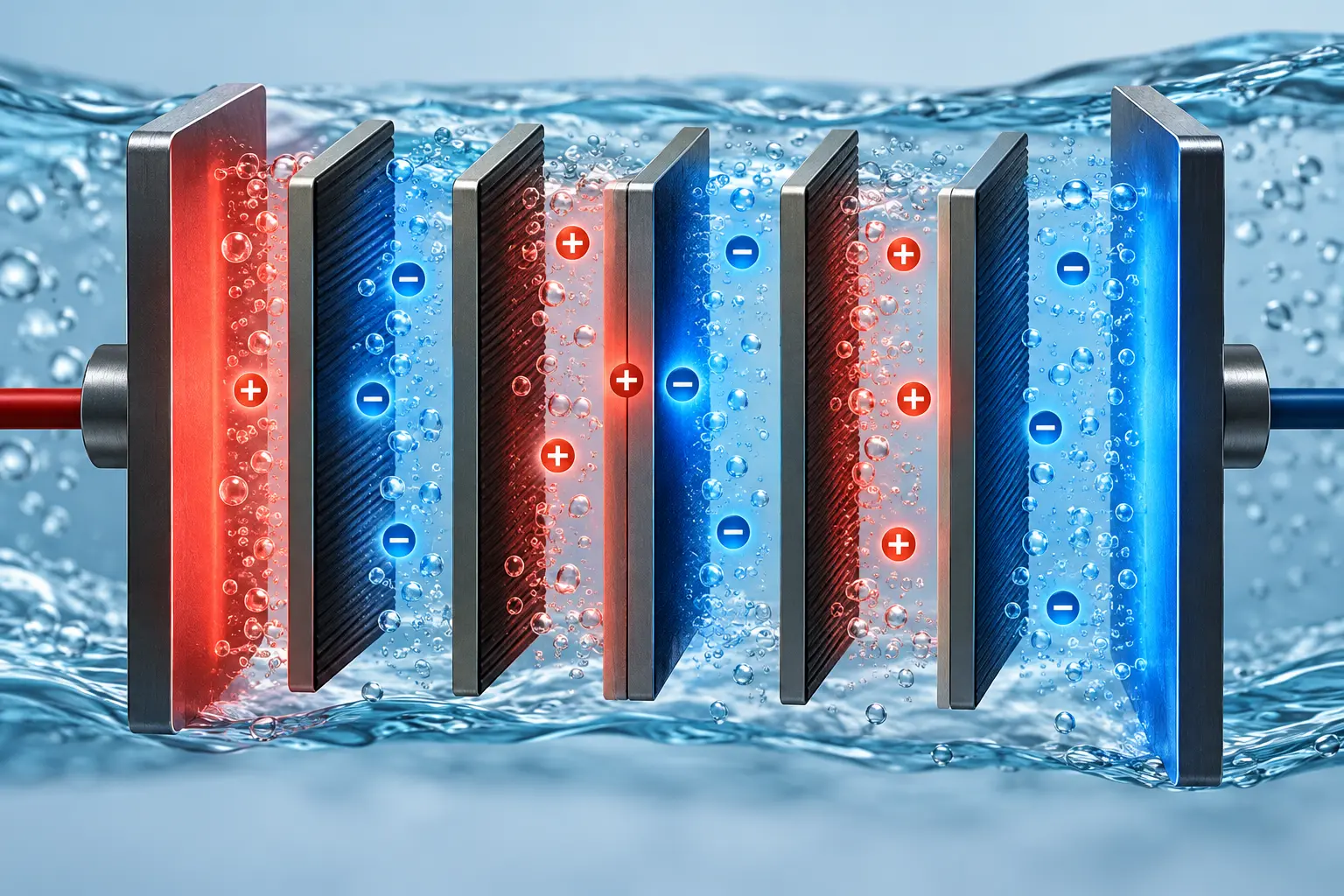
Bipolar cells, reverse polarity and programmable polarity in salt chlorination
Superchlorination or Boost Function in a Salt Chlorinator: What It Is, What It’s For, and When to Use It
Chloramines in Pools: What They Are, How They Form, and How to Eliminate Them
How to solve the 20 most frequent pool water problems
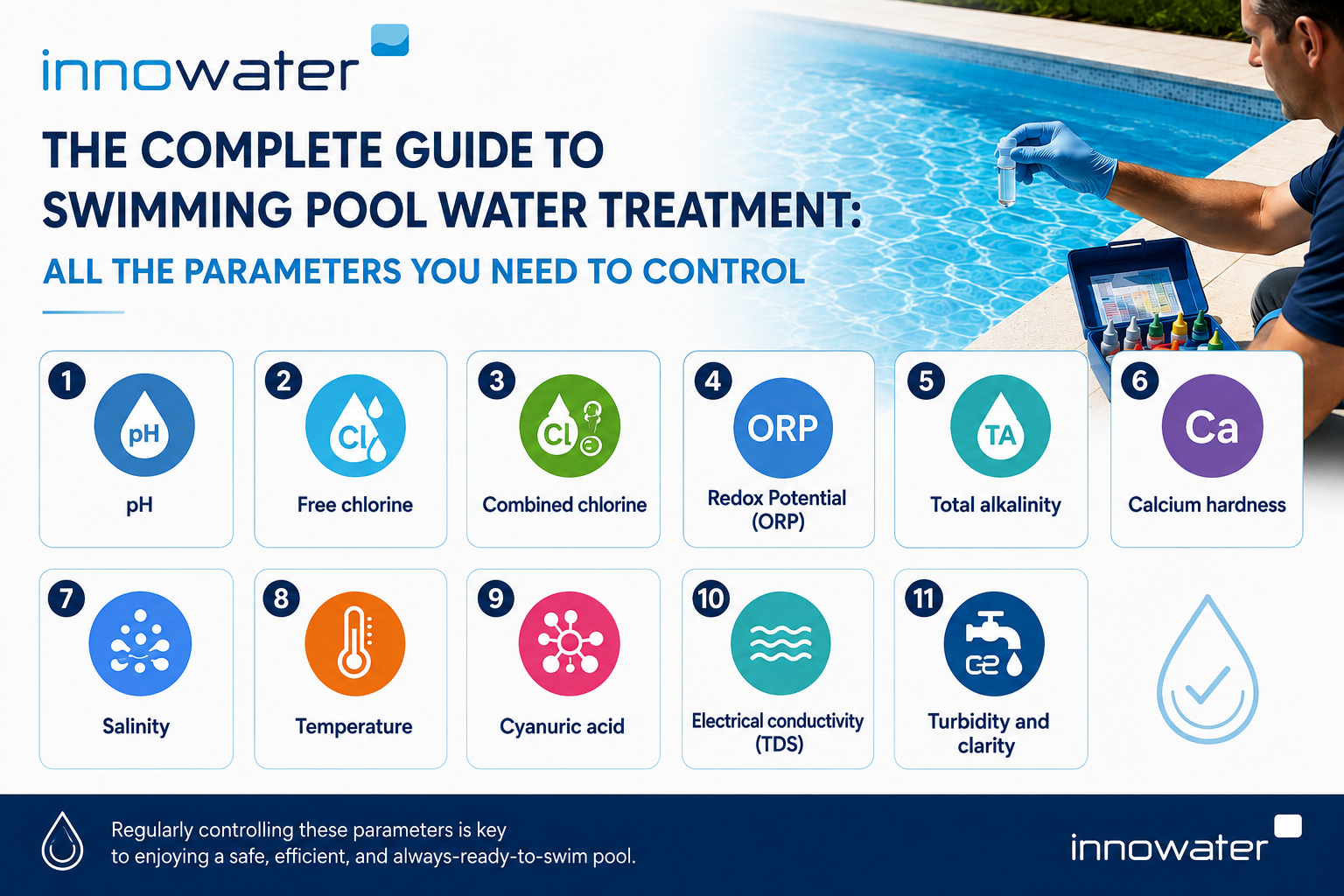
Complete guide to pool water treatment: all the parameters you need to control
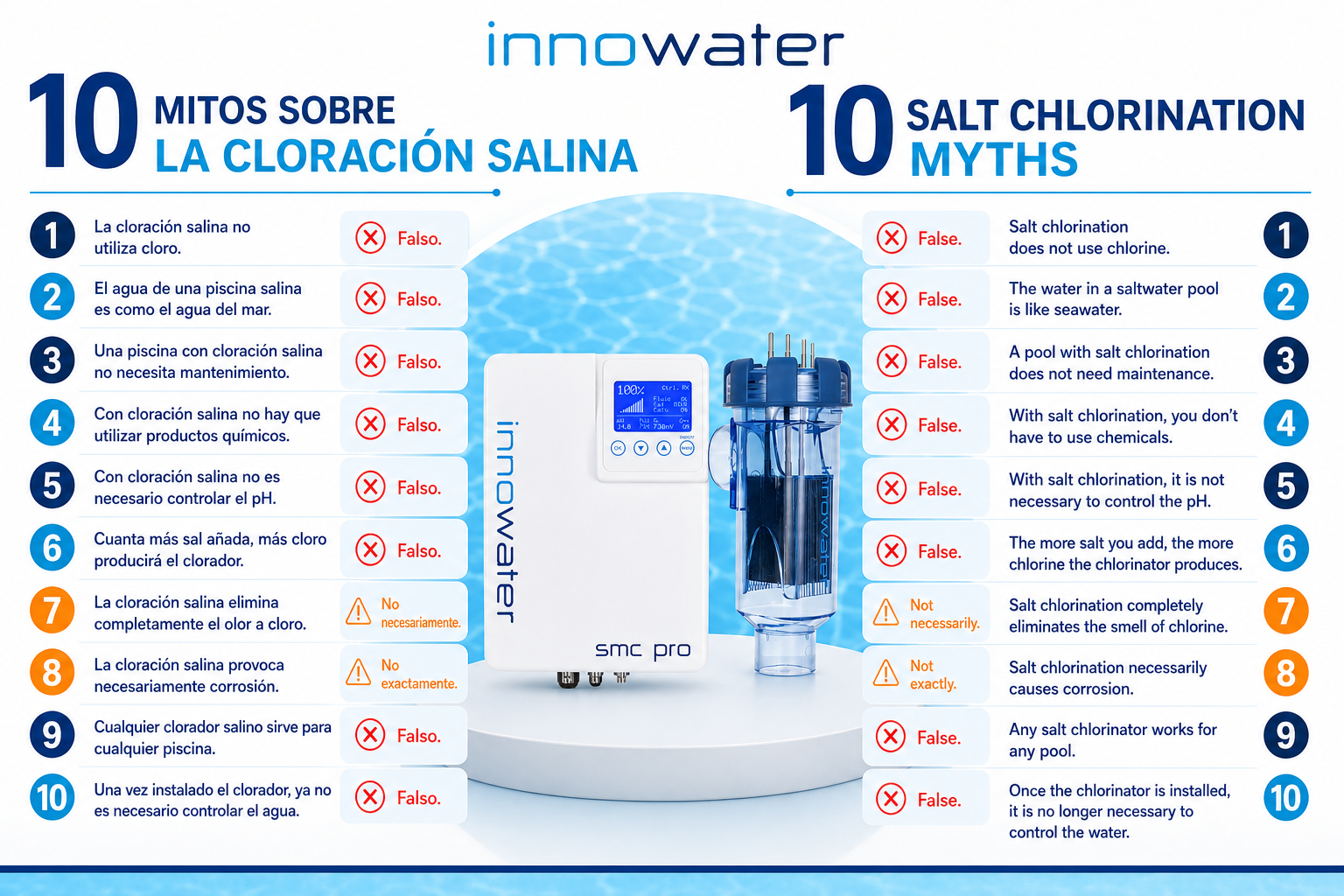
Myths about Salt Chlorination: 10 Misconceptions You Need to Know
Relationship between pH, ORP, and free chlorine: The ultimate guide to achieving effective pool disinfection
How to correctly size a salt chlorinator for your pool: the ultimate guide to choosing the right equipment

What is ORP and why is it the most important parameter to ensure effective disinfection in a swimming pool?