Salt Chlorination: The most natural way to keep your pool maintained
Sustainability has now become a must for everyone. Caring for the environment is essential to ensure the planet’s future. Salt chlorination is the most natural and eco-friendly method for proper pool maintenance.
This disinfection method works naturally. Its main advantage is that it does not require any added chemical products to ensure proper maintenance.
Without a doubt, this feature has made salt electrolysis one of the most in-demand treatments among owners of public and private pools.

Disadvantages of traditional chlorine
To keep our pool water clean and disinfected, we need to focus mainly on two factors: chlorine and pH.
In traditional chlorine systems—whether using sodium hypochlorite, calcium hypochlorite, or dichlor—it is necessary to use chemical additives such as pH correctors, flocculants, or algaecides. Besides being an unsafe method that is difficult to control if the pool has many users or is outdoors, it can be highly polluting and harmful to the environment due to the emission of polluting gases.
Salt chlorination is the solution
Salt chlorination is undoubtedly the most natural way to maintain our pool.
This system produces chlorine directly from the salt dissolved in the water. When salt water passes through the chlorinator’s electrodes, the salt becomes the disinfectant responsible for eliminating bacteria, algae, and fungi.
The disinfectant then turns back into salt so the process repeats cyclically. The user only needs to top up the salt level from time to time, so having a pH regulator will be essential.
In addition to being a natural method for pool maintenance, salt chlorination offers many health benefits. If you’re interested in using this system in your pool, you can get in touch with us and we’ll explain everything you’ll need.

Salt chlorination for pools is a treatment system that generates pure chlorine from the salt dissolved in the water, through an electrolysis process. A sustainable, automated, and safe treatment for swimming.
Related News
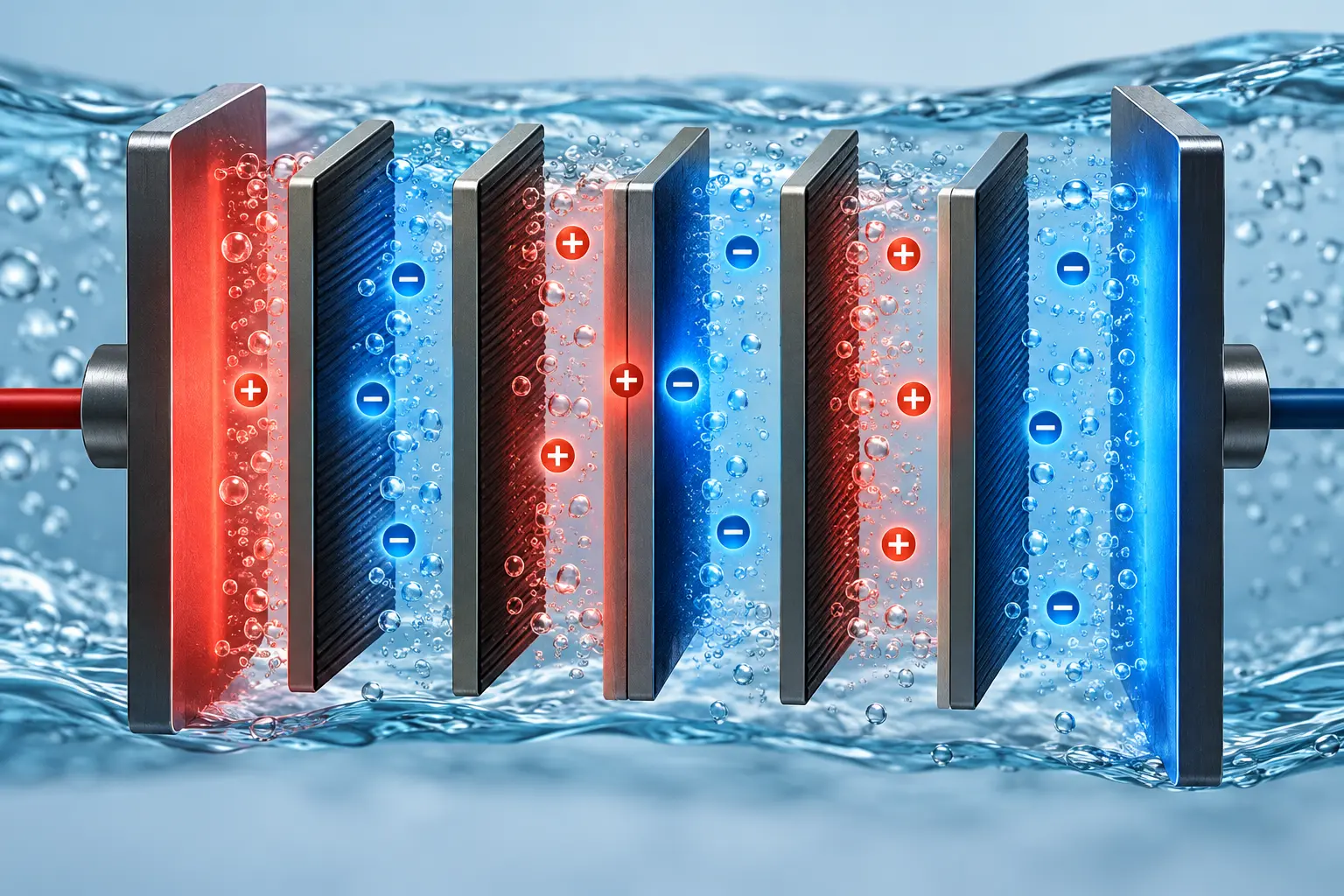
Bipolar cells, reverse polarity and programmable polarity in salt chlorination
Superchlorination or Boost Function in a Salt Chlorinator: What It Is, What It’s For, and When to Use It

Chloramines in Pools: What They Are, How They Form, and How to Eliminate Them
How to solve the 20 most frequent pool water problems
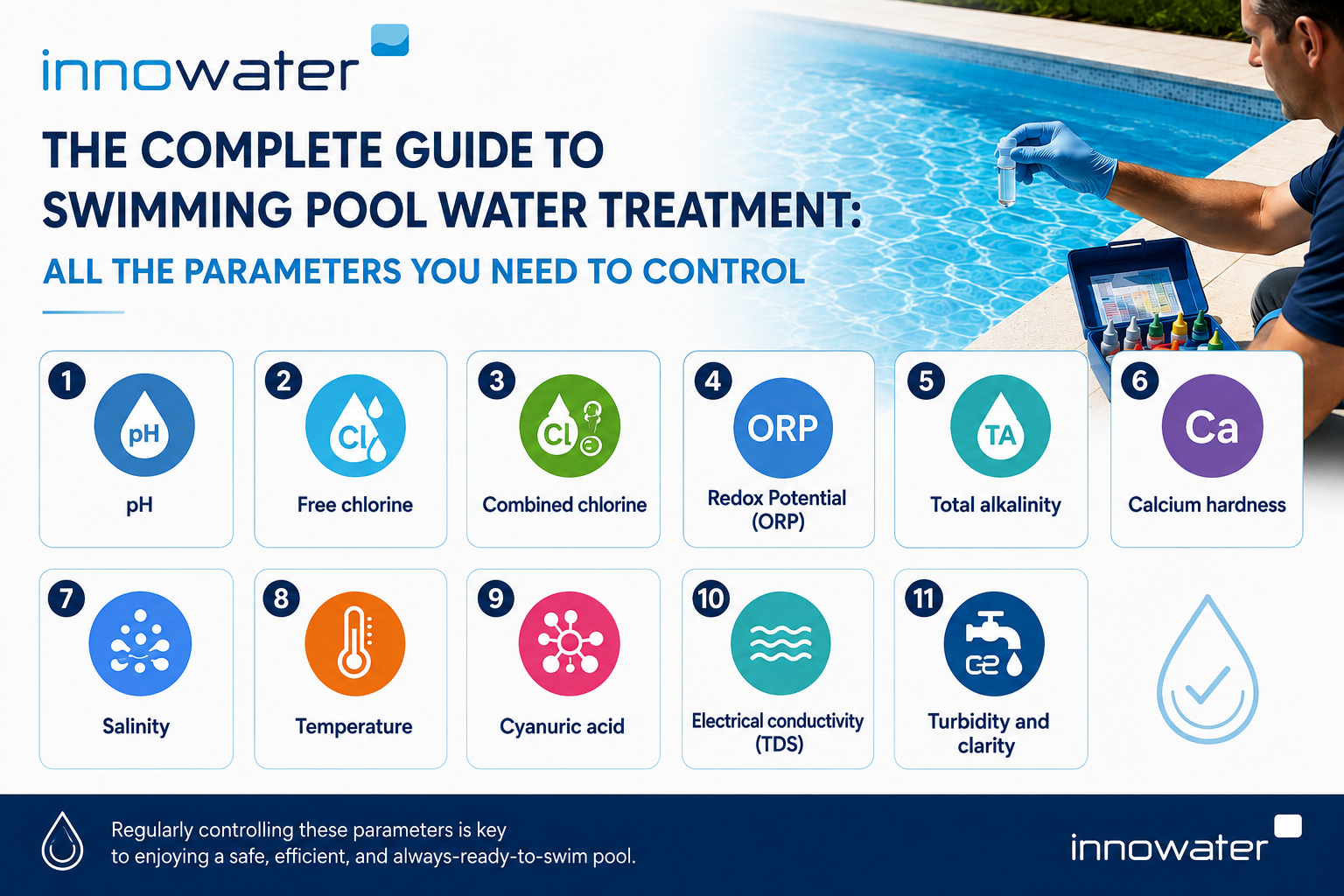
Complete guide to pool water treatment: all the parameters you need to control
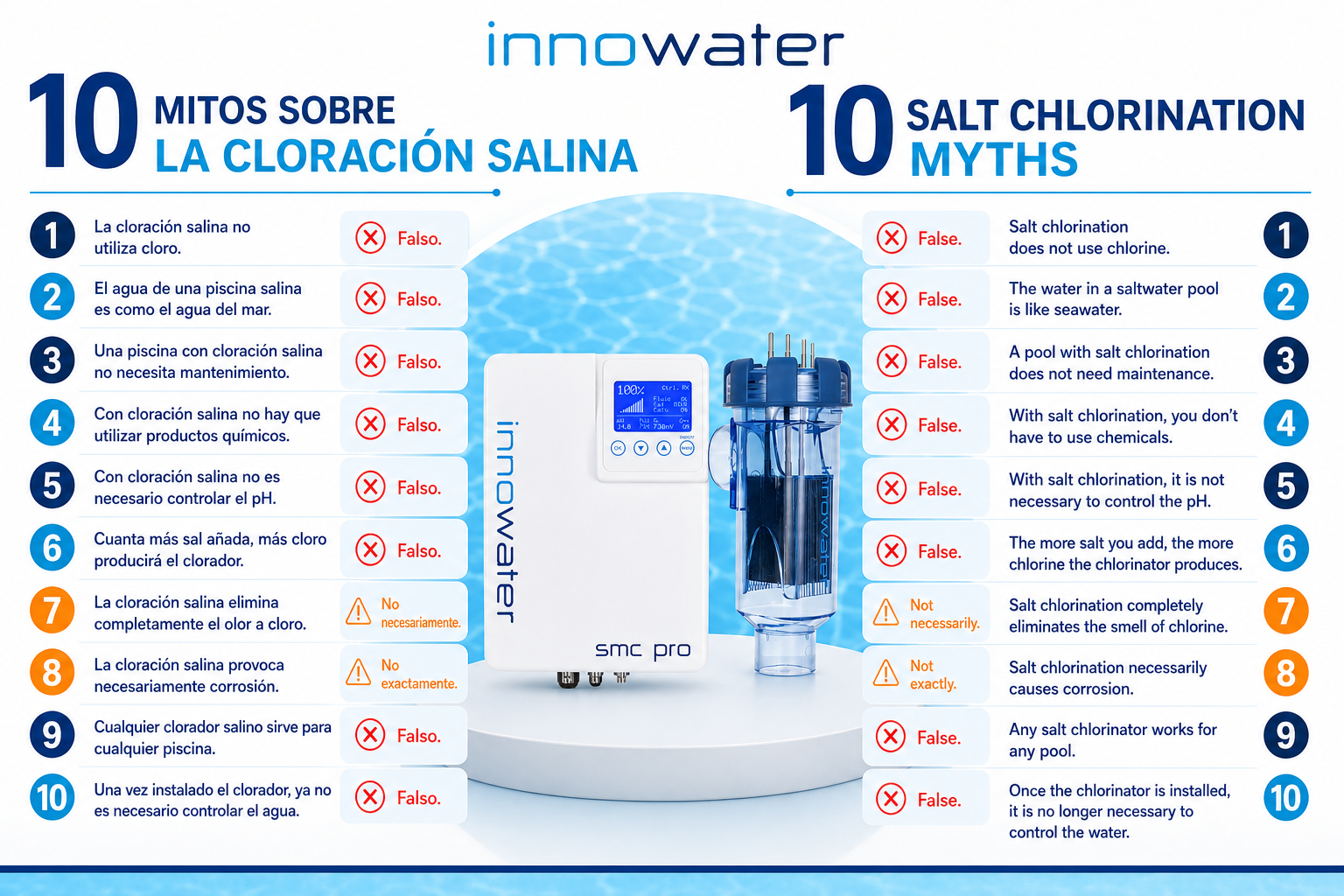
Myths about Salt Chlorination: 10 Misconceptions You Need to Know
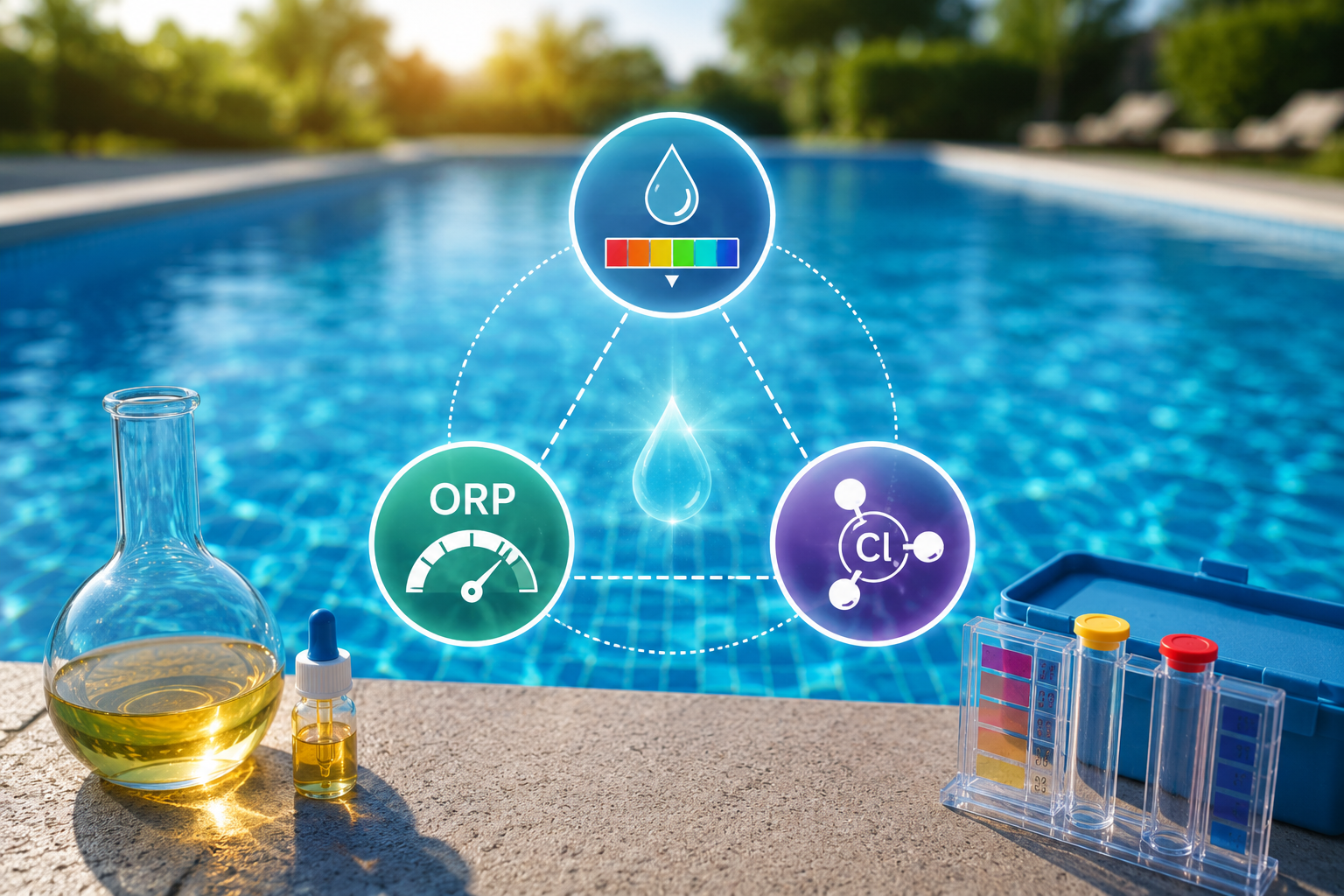
Relationship between pH, ORP, and free chlorine: The ultimate guide to achieving effective pool disinfection
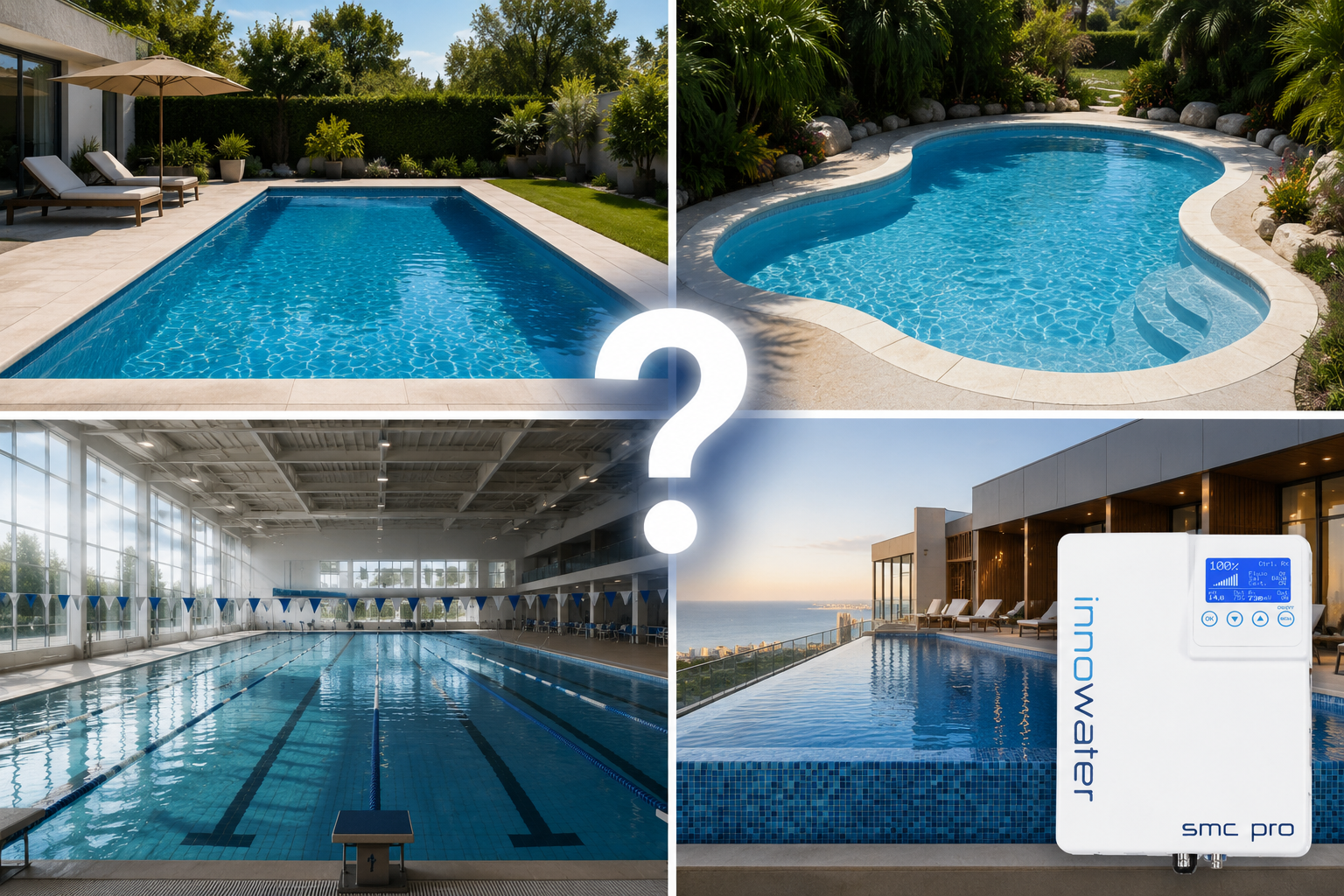
How to correctly size a salt chlorinator for your pool: the ultimate guide to choosing the right equipment

What is ORP and why is it the most important parameter to ensure effective disinfection in a swimming pool?