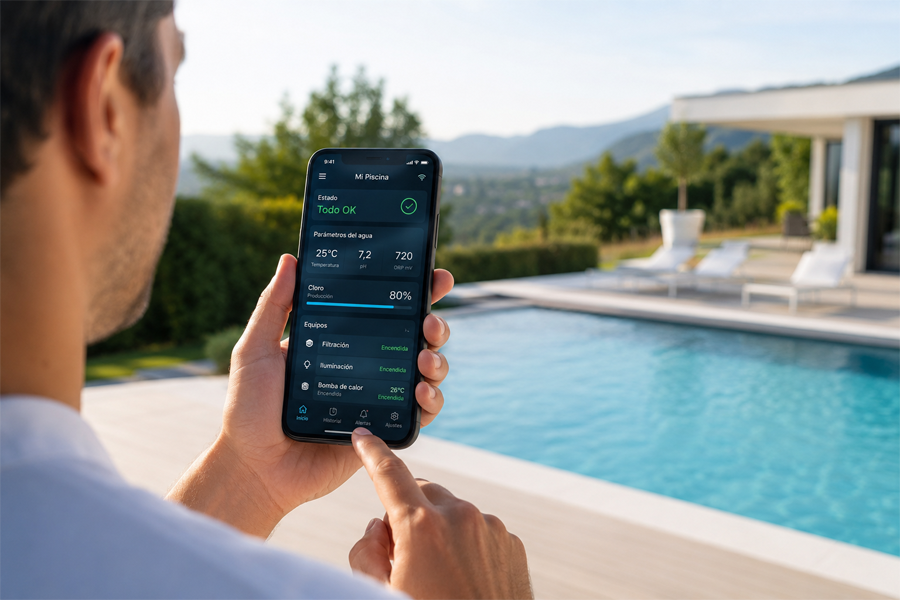
Empty or full pools? At Innowater, we have the solution.
Warm weather is here to stay. Many people can’t wait to enjoy their pool with a well-deserved dip. If you chose to drain it completely in winter, you’ll probably get quite a shock when you see its current condition. Empty pools can become a serious problem, as they’re more likely to get damaged.

Full or empty pool
One of the basic rules for proper pool maintenance is not to drain it completely for long periods of time. This is something not everyone takes into account. Without a doubt, it’s one of the main reasons that can prevent us from enjoying our pool for a very, very long time. By the time you finish reading this article, you’ll have far fewer doubts about whether to drain your pool or leave it filled with water.
Why are empty pools a problem?
- High or low temperatures can be a major drawback for the normal condition of your pool. Heat can cause cracking, and cold tends to split the structure through contraction if it doesn’t contain water.
- Water acts as a stabilizing agent against forces, which is why we should always leave some water in the pool instead of draining it completely. Ground movement can cause fissures and cracks if there isn’t a force to counteract the pressure generated by different materials.
- Empty pools also mean a huge waste of water. Besides being irresponsible given the current hydrological situation, draining the pool completely isn’t cost-effective. With the right care and water treatment systems, you can keep the water all year round without needing to change it.
- Another serious drawback of empty pools is how dangerous they are. Without water, they become an accidental fall zone for anyone.
The best solutions
Next time you’re debating whether to drain your pool or keep it full, we recommend you take a close look at these tips for maintaining your pool in winter.
At Innowater, we offer the best solutions for your pool!

Salt chlorination for pools is a treatment system that generates pure chlorine from the salt dissolved in the water, through an electrolysis process. A sustainable, automated, and safe treatment for swimming.
Related News
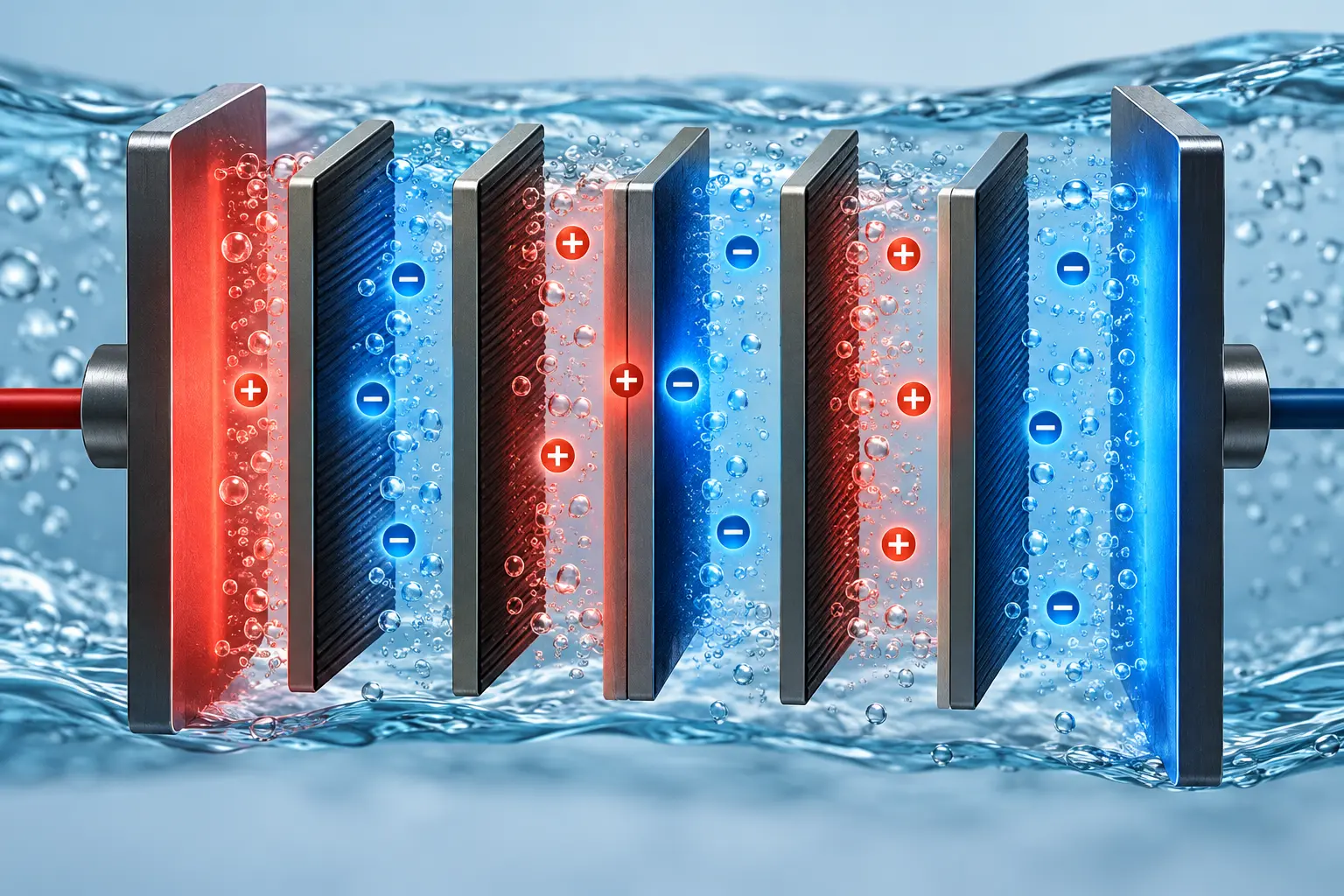
Bipolar cells, reverse polarity and programmable polarity in salt chlorination
Superchlorination or Boost Function in a Salt Chlorinator: What It Is, What It’s For, and When to Use It

Chloramines in Pools: What They Are, How They Form, and How to Eliminate Them
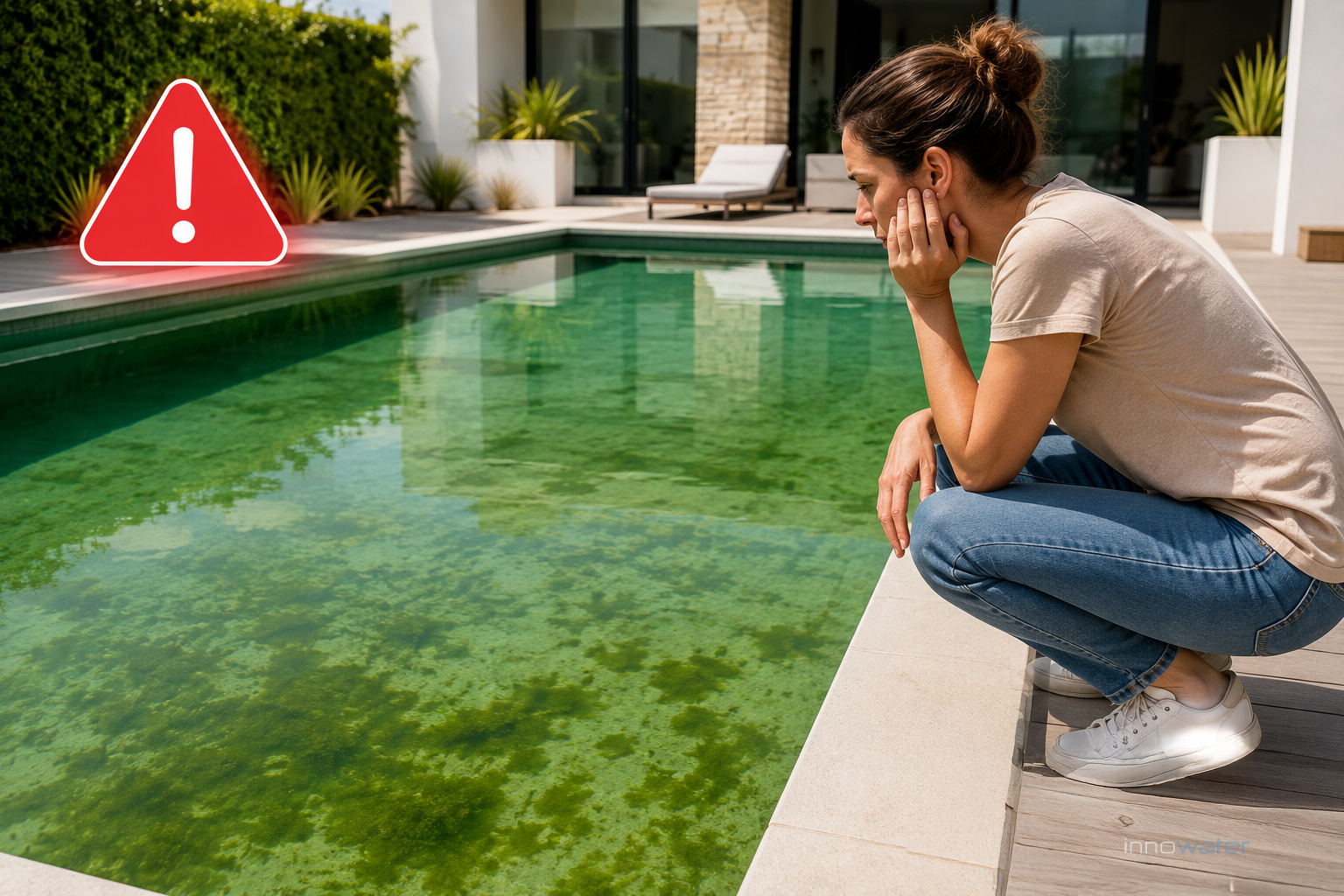
How to solve the 20 most frequent pool water problems
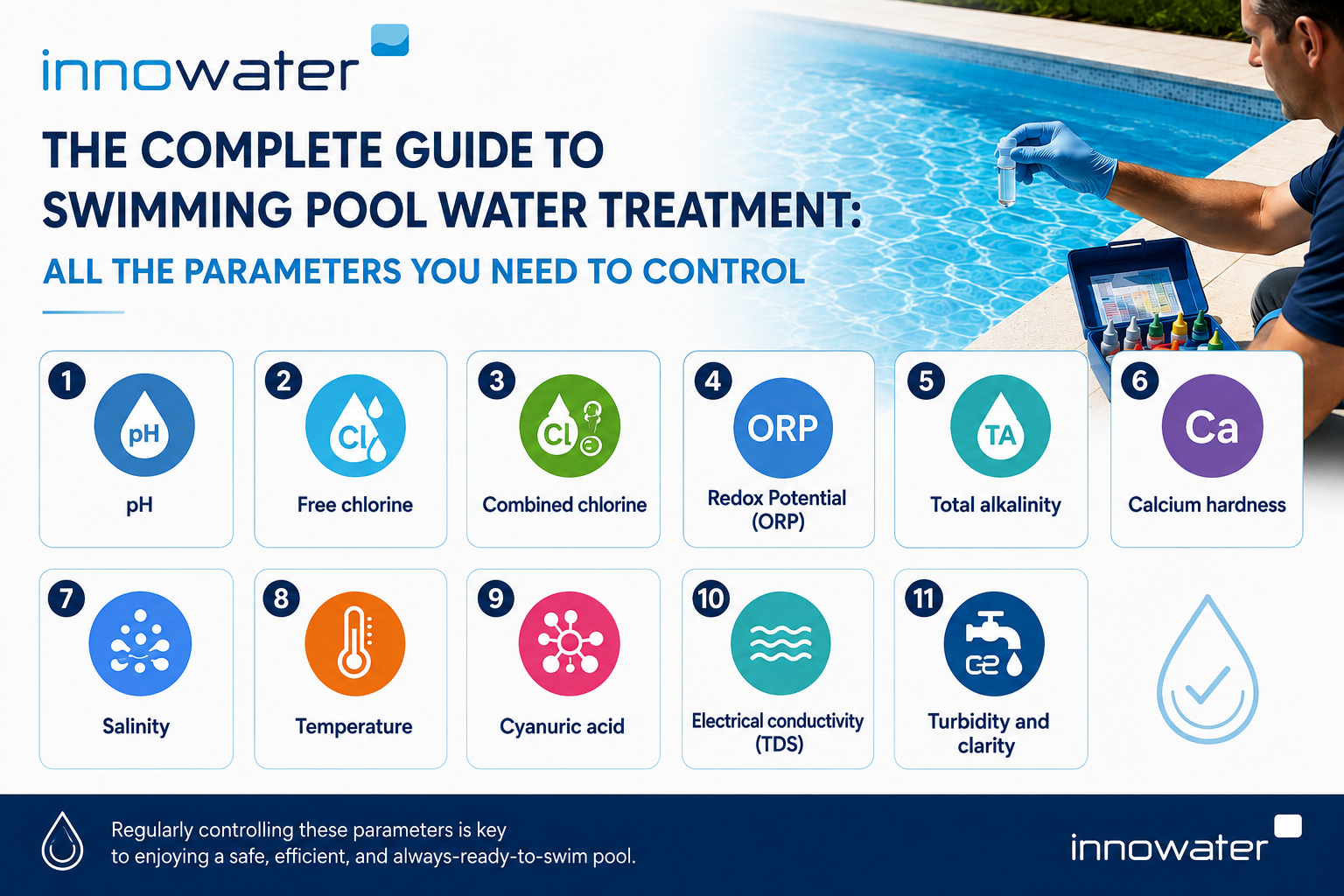
Complete guide to pool water treatment: all the parameters you need to control
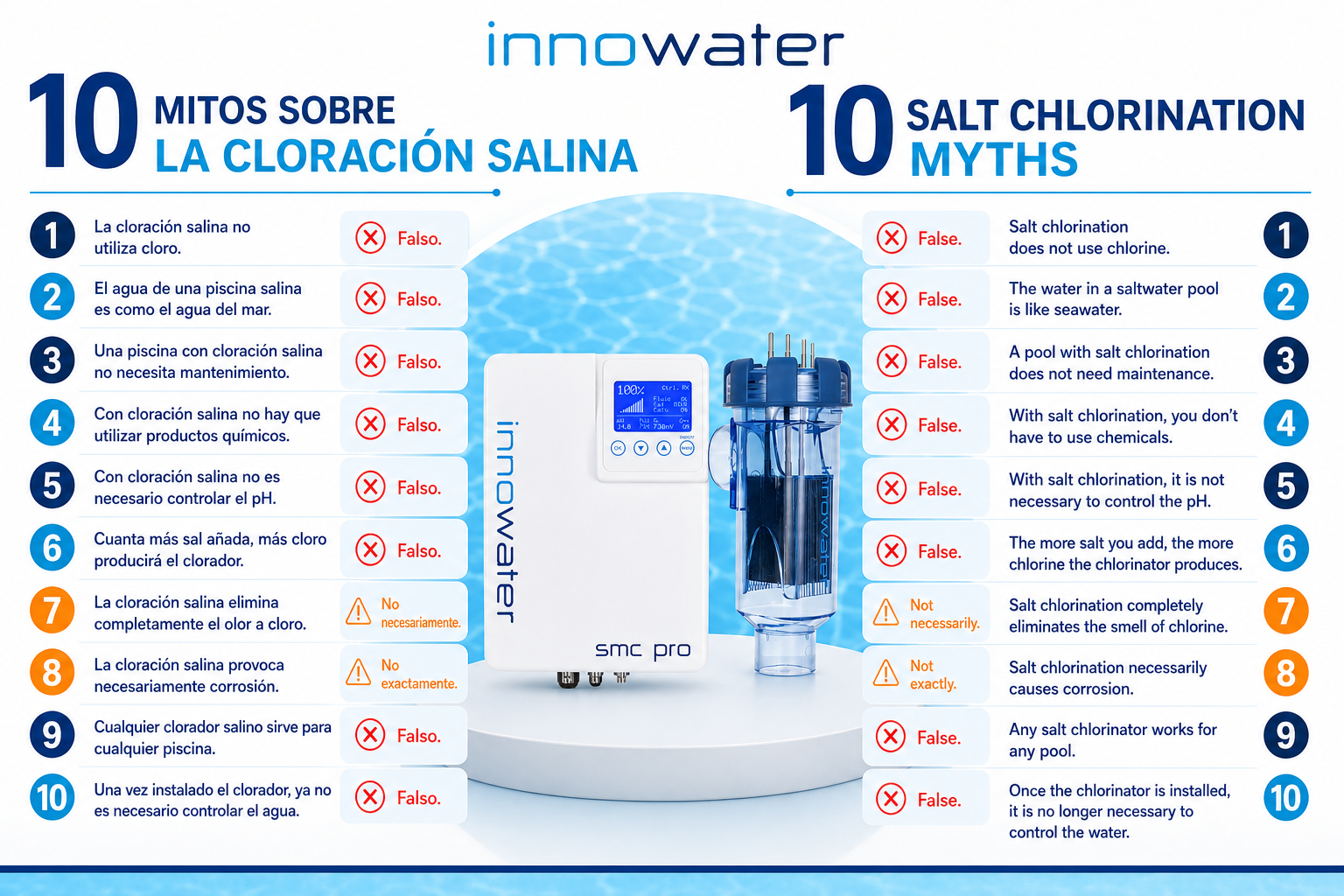
Myths about Salt Chlorination: 10 Misconceptions You Need to Know
Relationship between pH, ORP, and free chlorine: The ultimate guide to achieving effective pool disinfection
How to correctly size a salt chlorinator for your pool: the ultimate guide to choosing the right equipment

What is ORP and why is it the most important parameter to ensure effective disinfection in a swimming pool?